Me Time

cropped-rtemagicc_sue-healy.jpg


I’ve got a younger colleague who is rather plugged in to all things techie and ITish – and thanks to his urging, I’m now not only twittering, but also looking at doing some links to pdfs of my stories and perhaps a kindle collection down the line (thanks again, Dan!). In the meantime, if any of you are interested, here are some stories of mine already published online.

The Last of the Shower – A quirky and nostalgic punk looks to wake his dead bandmate: HISSAC Highlands and Islands Short Story Association Competition has ‘The Last of the Shower” on their site (which won the2011 Award).

Grapefruit – An over-privileged youth is accused of a sexual misdemeanour. Winner of the Meridian Award.

Ha-Ha A blackly comic story, with a twist. A runner up in the Limnisa/Bluethumbnail Competition:

The Pretender – A tale with a twist and intrigue, which was ‘highly commended’ in the Twisted Stringybark competition. ‘The Pretender’ can be downloaded as part of an anthology:

Thanks for the interest!


Falling in Love

Lovers in Central Park


My newest short story, and theatre piece is a Romance, a love story which celebrates love. This is a bit of a departure for me. I’m feeling rather sheepish about it as I’ve always written about misfits and misanthropes, lame ducks and lushes, the crazed and the confused – set in bizarre situations, where there is rarely a happy ending, but everyone has a great time before they all die in the end. And no one every falls in love outside some sort of sexually confused stalking type thing…

But since August, I’ve written two love stories with, well, I’m not going to say ‘happy’ but certainly satisfying endings. My new stories are not, I hope, clichés and they deal with meaty issues (infertility, instinct etc…) So, I haven’t begun to wear pink chiffon or whatever. Still, they are love stories. So, what is happening to me?

I’m thinking it’s a sign of maturity at a writer. I avoided romance before as I felt the darker side was the deeper, the more intellectual and philosophical.

However, I’ve found that recently my writing has become more comfortable portraying real people in everyday events, which includes falling in love. And I’m enjoying exploring this soft, sensitive territory and I’m hoping I’m doing it justice. And I believe this is a sign of me progressing as a writer.

Now, if you’ll excuse me, I’ve got to go feed caviar to my poodle who’s just pee-d on my pink satin cushion.


Haiku! Bless you.

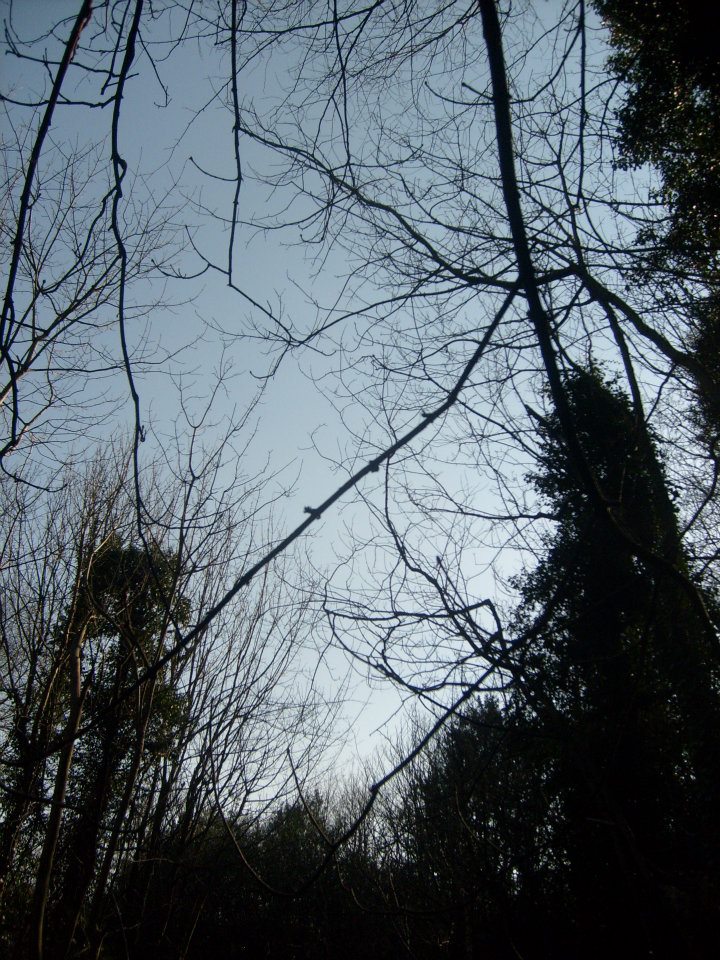
Wintry wood, Bracondale


If you need focus, get haiku’d. The Japanese know how to appreciate the moment: tea ceremonies where the design and the feel of the cup is lauded, the colour of the drink discussed, the scent, the very feel of the beverage dissected and praised.

Not surprising, therefore, the land of the rising sun gave us the haiku. Haiku is a poetic form that, traditionally, aims to capture a moment in nature, like a snapshot with words.

Most typically achieved using seventeen syllables arranged in three unrhymed lines of five, seven and five syllables, the practice of writing haikus is particularly useful if you are engaged in a word-limited literary arena such as writing songs. In such instances, words should be chosen carefully so that they can convey the specific mood, meaning and impact you require and haikus can help you build up that muscle. Haikus encourage you to pick up every word and study it closely for its sound, meaning, feel and impact.

Here are some examples of the haiku:

O’er the wintry wood,

winds howl in an empty rage

with no leaves to blow.

Soseki (1275-1351)

This haiku by the ‘punk poet, John Cooper Clarke, comes via recommendation of Westown Girl :

Writing a poem

In seventeen syllables

Is very diffic.

(John Cooper Clarke, 1979)

Cool, innit?


Word up

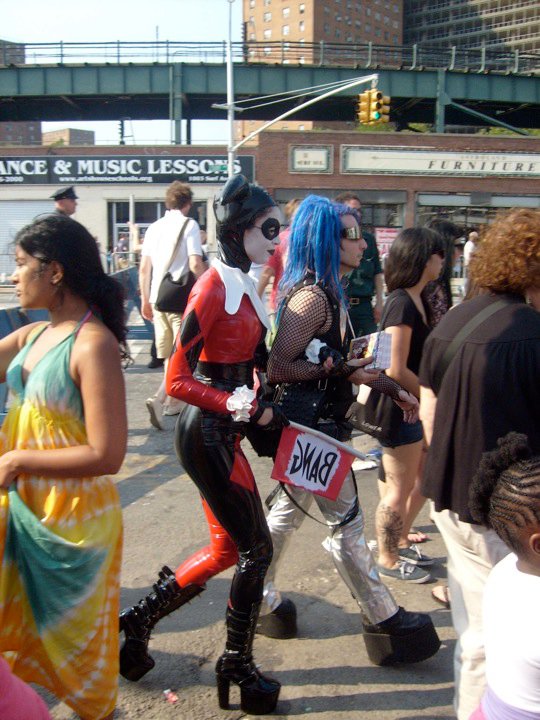
Bang!

As a linguist and a writer, I love words. However, as a teacher of creative writing, I know that the mis/over use of words, particularly adjectives and adverbs, is the most common ‘fault’ you’ll find in the work of novice writers.Insecurity will have new writers shoehorn as many descriptive words as they can get into a sentence – with the result akin to an over ‘bling-ed’ Christmas tree. The advanced writer will ‘show’ an emotion/atmosphere/interpretation without  resorting to a heavy-handed sprinkling of descriptive words.

It’s hard to ween yourself off adjectives and adverbs. Part of the problem is that there are so many words in the English language, a tongue with more word-families than any other language. This fact is rooted English having sprung from French and German, so there are English words that describe quite similarly (ie “loving” is from German and “amorous” is from French). And with such a lavish spread on offer, it is hard for the newbie writer to exercise restraint. Oh but, to improve, you must.

That is not to say you can’t enjoy words. English has magpied extensively from many languages. Most of my favourite words are ‘borrowed’ words and include: “pyjama” and “shampoo” which come from India (though I’m not sure of the specific languages), “Hacienda” and “siesta” which are Spanish. “Itsy-bitsy”, “paprika”, “coach”, “goulash”, “hussar” and “biro” which are Hungarian. “Smithereen”, “galore”, “banshee”, “slew”, “brogue”, “kibosh”, ‘hobo’ and “shanty” which come from Irish. I enjoy writing them, I love saying them – to paraphrase Frank McCourt, it feels like having jewels in your mouth. I’ve just got to be careful about over using ‘exotic’ words in my prose. It can look pretentious.

And you don’t only construct literary art from words but they also set the tone of the piece and there are certain words and phrases that are closely associated with particular genres of writing. Romance type novels I associate with “tawny” and “chiselled”. SciFi writers invent words to name their machines, planets and creatures such as “Klingons” and “Zogathons”.

Words are fun, go ahead and celebrate words – but do so in moderation…


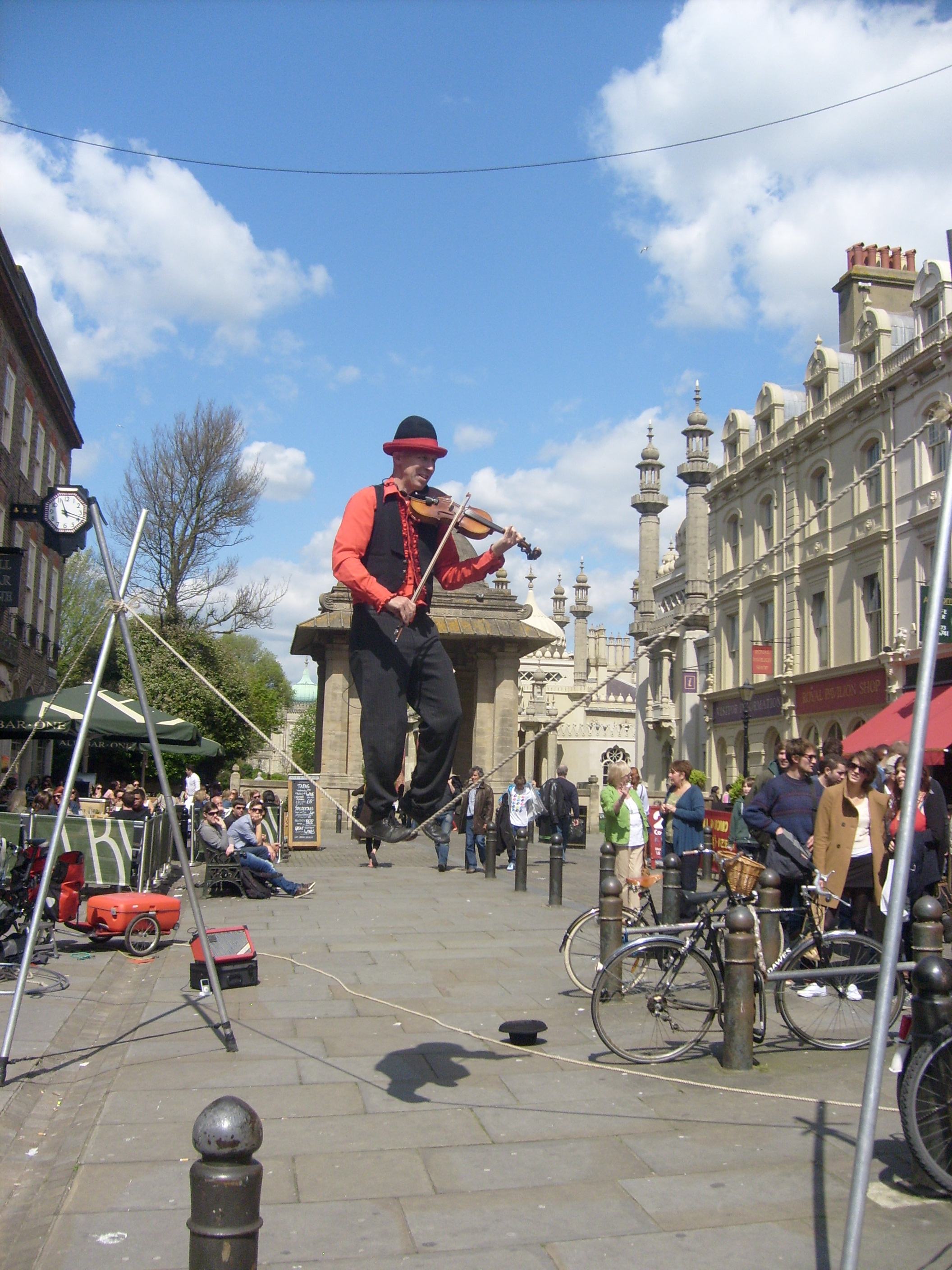
Tweet Thing

Me, when I was at the vanguard of all technology (age 17)

I’m middle aged. I’m 42. And this side of ‘40’ has thus far resulted in reading glasses, having to wash the grey from my hair more frequently and more trips to the doctor in the past year than I’ve had in the past 20 years. Once I’ve finally got my head together, it’s my body that goes all Pete Tong.

Recently, however, I’ve become aware of another symptom of middle age – I’m no longer a product of the world in which I reside. The world of my youth is gone, a distant age symbolised by long dead VCRs, Pac-Mans and Walkmans, smoking in pubs, dial landline telephones, typewriters and cassettes. The new world, feels strange, disconnected from me. I do not want it to be this way. I want to be part of this world. I try.  Look at me, typing on my laptop, texting on my phone, updating my blog, uploading photos, linking stories to YouTube, TED and my Facebook page. Me.

Yes me, who was, I’ll have you know, the first journalist in my hometown of Waterford to report on this new-fangled phenomenon called the ‘Internet’ way back in 1994. I’d been to New York and had seen it in action, me myself, personally like – came home and spread the word via my column in a local paper. So, I’m no Luddite, I’m all for the new. I just resent its alien nature, and wish it was as natural to me as, say, satellite TV was to my generation. Which is a very long winded way of announcing that only thanks to a younger, hipper and more plugged in colleague, I’ve returned to Twitter.

I joined Twitter yonks ago, but could never see the point in it – unless you were a celebrity and (sad) people were actually interested in what you were having for breakfast. So, I sort of gave up and linked my Twitter account to my blog and never checked it, nor tweeted. My colleague, Dan, has cajoled me into giving it another go, to tweet daily and make contact with cyber people, cyber readers and writers and publisher and agents and reviewers and people who might help my career (is mentioning that you’re doing this for networking reasons breaking some sort of etiquette?). So, I’ve updated my Twitter profile et al and I’ll give it a go. I’ll not be growing old gracefully, dammit!


The Divil in Displacement

Interesting displacement activity…


Sit at computer, bring up blank page, make a cup of tea. Sit at computer, look at blank page, do the washing up. Duration: 1 hour. Word count: 0

If this sounds like your typical writing pattern, you’ve got plenty of company. The sudden urge to do housework, rearrange books, check your bank statement- when you really ought to be writing is known as ‘Displacement activity’.

Displacement activity is the bane of a writer’s life. It’s the phrase writers have for all the stuff you do that is not the stuff you are SUPPOSED to be doing. Avoidance is probably a more readily understood term, but doesn’t sound half as writerly. What happens is a little ‘displacement monkey’ in your mind distracts you from the task at hand, by urging you to ‘make another cup of tea/check the TV guide/your bank account/ebay/post on this blog : ) rather than crack on with that difficult piece of dialogue you’re trying to get down.

I don’t believe displacement activities are wholly bad. I feel they sometimes happen for a reason. Perhaps what you’re working on needs time to settle, or percolate in your mind and after you’ve bought those gloves on ebay, it will all come together. However, I admit, I think I’d get a lot more writing done if I didn’t have an Internet connection in my office… I know a few writers who keep their displacement activity on hand – as another creative hobby such as painting, and they believe one such activity complements and feeds the other. So, they may start painting and then half way through THAT activity they’ll turn back to their writing as a displacement activity for their painting and so on…

As with everything in writing, if you find your displacement activity works for you, then go knock yourself out with it. If it is a hindrance, then find a way to stop it distracting you such as getting a room with no internet connection…


Continue reading

Shipping News

Waiting for ships, Brighton.

When one launches a ship, one surrenders responsibility to the waves. Once the vessel has disappeared over the horizon, it’s on its own. You’ve got to get on with life and other ventures until it either returns to port or news comes in that it hasn’t made it (admittedly and thankfully rare these days, but you get the picture).

And this is how I see writing projects I’ve sent off, as ships.  Whether they be short-stories sent to competitions/magazines/anthologies, a funding application, chapters of my novel sent to an agent, a script sent to the Beeb, a script sent to a theatre – whatever, they’re all ships into  which I’ve put all the skill and talent I’ve got. Once they’ve gone, it’s up to the seas of luck, taste, fashion and need to put them to the test and see whether they sink or come back to port laden with goods (acceptance/publication/a win/a short-listing etc..).

Last year I sent out a total of 61 ships. Some 20 returned to port with bounty, 41 never made it. For various reasons, I’ve been slightly less productive this year, but am doing my best to rectify this situation.

Thus, my stats thus far this year:

Ships sent out: 37

Wins/acceptance/short-listings/publications/performances:11

Ships sunk without trace: 17

Awaiting any news on 9 ships launched.

The year is not over and I intend to launch quite a few more ships before 2012 draws the curtain. It’s what keeps me going…

Bon Voyages!


All Hail Snails

Candles in Budapest

Snails. I have a thing for snails. It’s odd, I know, but we’ve all got something… Snails feature in my writing a lot. My award winning play was called ‘shellakybooky’ – a child’s word for ‘snail’ in Ireland. My Molly Keane Winning story featured a sock stuffed with snails and my latest stageplay has snails’ trails predicting the future in their particular weird, silvery fashion.

I love the oddness of snails’ appearance, their independence (carrying their homes on their back) and the fact that they leave a magical trail behind them. I envy their slowness, their lack of need to rush (and wish I had that confidence of approach). And even the word ‘snail’ has private significance for me. So when snails appear, I feel the muse is at hand.

Today, I arrived in from the garden and a housemate noted a baby snail was crawling across my head. I admit not everyone would be delighted to find a snail in their hair, however, this occured just after I’d been told a story about Buddha’s alleged debt to snails. I’m not a Buddhist but the story appeals:

“During a severe summer, a group of snails crept onto Buddha’s head and shielded him from sunstroke, their horns drawing enlightenment for the Master.  And these snails gave up their lives in the process. In gratitude, the Master bore their shells on his head for the rest of his life.”

So, having a snail on my head puts me in pretty serious enlightened company.

There are writers feel story and character ideas are fed to them from “somewhere else”. Clearly, that “somewhere else” is a very vague concept and means different things to different scribes. Nonetheless, writers who hold such beliefs say it is very important to allow your mind to be open to receiving these ideas – wherever they come from.

I find it a comfort to think that ideas come to me from some external source – and if that slow and steady, methodical snail is the one inspiring me or bringing me enlightenment – then I’m cool with the magic.


I won!

Flying high

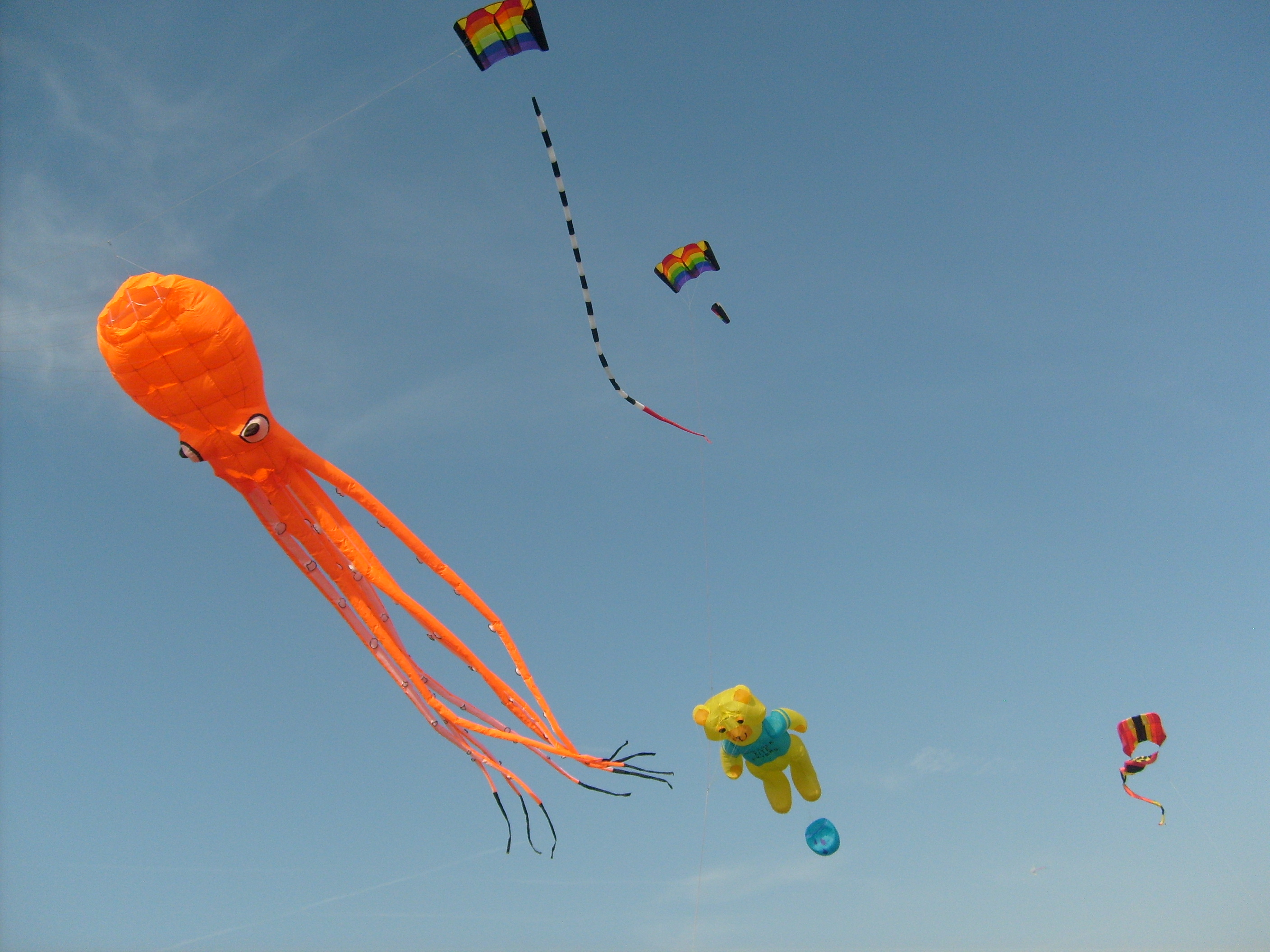
If you’ll indulge me… a quick boast post…

This week, my story ‘Grapefruit’ placed first in the Meridian Autumn Competition, and another ‘Two Trees’ was shortlisted for the Wells Literary Festival Prize. And…. another radio drama I co-wrote, ‘Berlin to Balaton’,  has been shortlisted by the BBC… so all in all, it’s been a pretty full on, flying high week. They don’t come around that often, so I’m sure as hell going to enjoy this floaty feeling while I can… : )