The Dundory Papers is a weekly newsletter exploring where stories come from. Some begin with a Victorian fireplace, some with a mudlarked nail, some with a scented rose growing over a London garden wall. Each article is followed by a Dundory Story—a fictional idea inspired by the real object or experience.
If you’ve enjoyed my writing here over the years, I’d love you to join me there.
Most writers I know hunt for stories for inspiration. Sometimes they’ll spend their time trawling through news stories, scrolling through social media, watching obscure documentaries. I’ve always been more fed by objects. I spend a sad amount of time in charity shops and car boot sales. Sometimes it’s for treasure I keep or sell, but also because I love researching unusual objects – and filling in the blanks. I may do a podcast or a Substack or both about the thrilling objects or stories I’ve unearthed, but for now I want to share about a new, but related, string to my bow in this scavenging domain. I’ve become a mudlark!
Mudlarks are licenced beachcombers who scour river banks for treasure. In Victorian times, they were impoverished children searching for scraps of metal to sell for a pittance. These days its more of a middle class weekend hobby. And you need a licence, and they’re difficult to obtain, I was on a waiting list for two years. But come it did, last week, and this weekend I hit the foreshore of the Thames, by Hammersmith Bridge, with my trusty trowel.
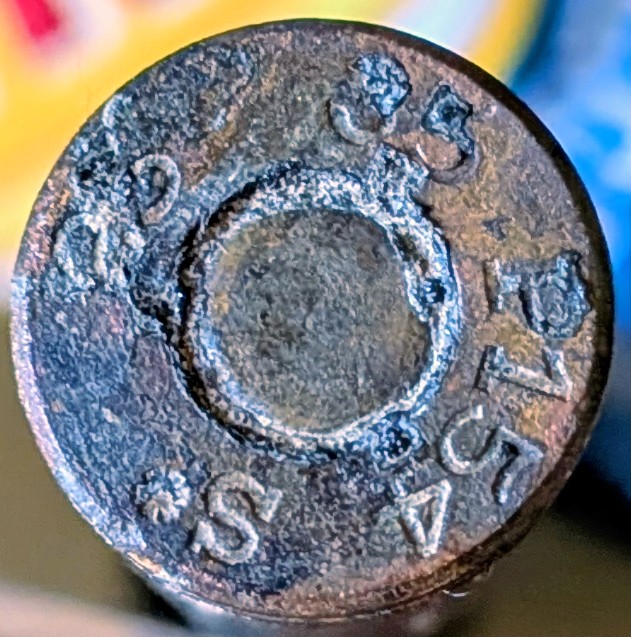
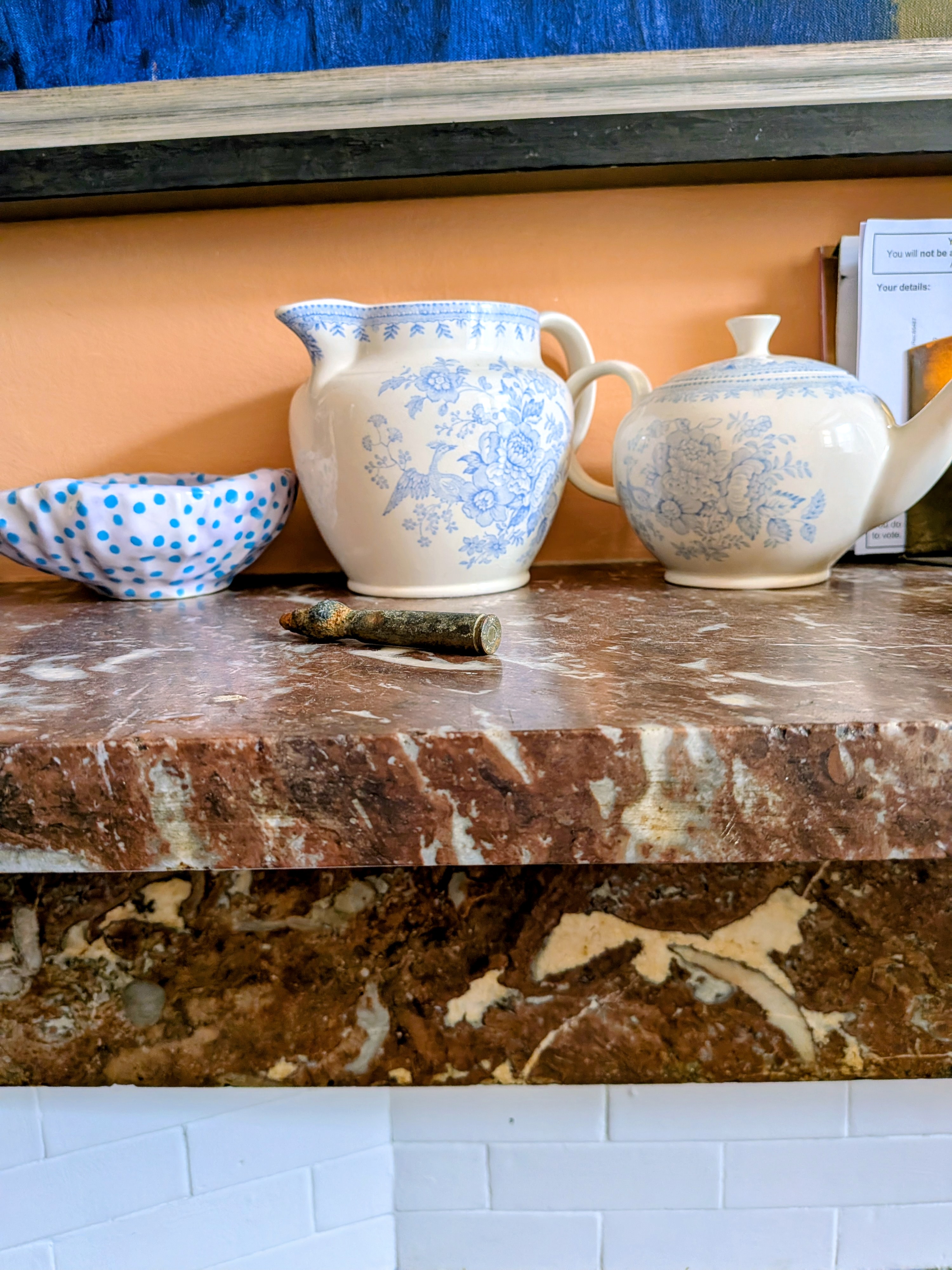
This is my haul. A WWII ammunition cartridge! It’s a German 1935 Mauser round, potentially live, as the bullet is not spent, but it’s so corroded it’s surely fine. Still, I’m a bit nervous to go at it too aggressively with the old Brasso, so have contacted the police offering to send them photos to ask for their advice. I have no idea why there’s German ammo at Hammersmith, but this is what the serial code says… (and this is where a story is suggested).
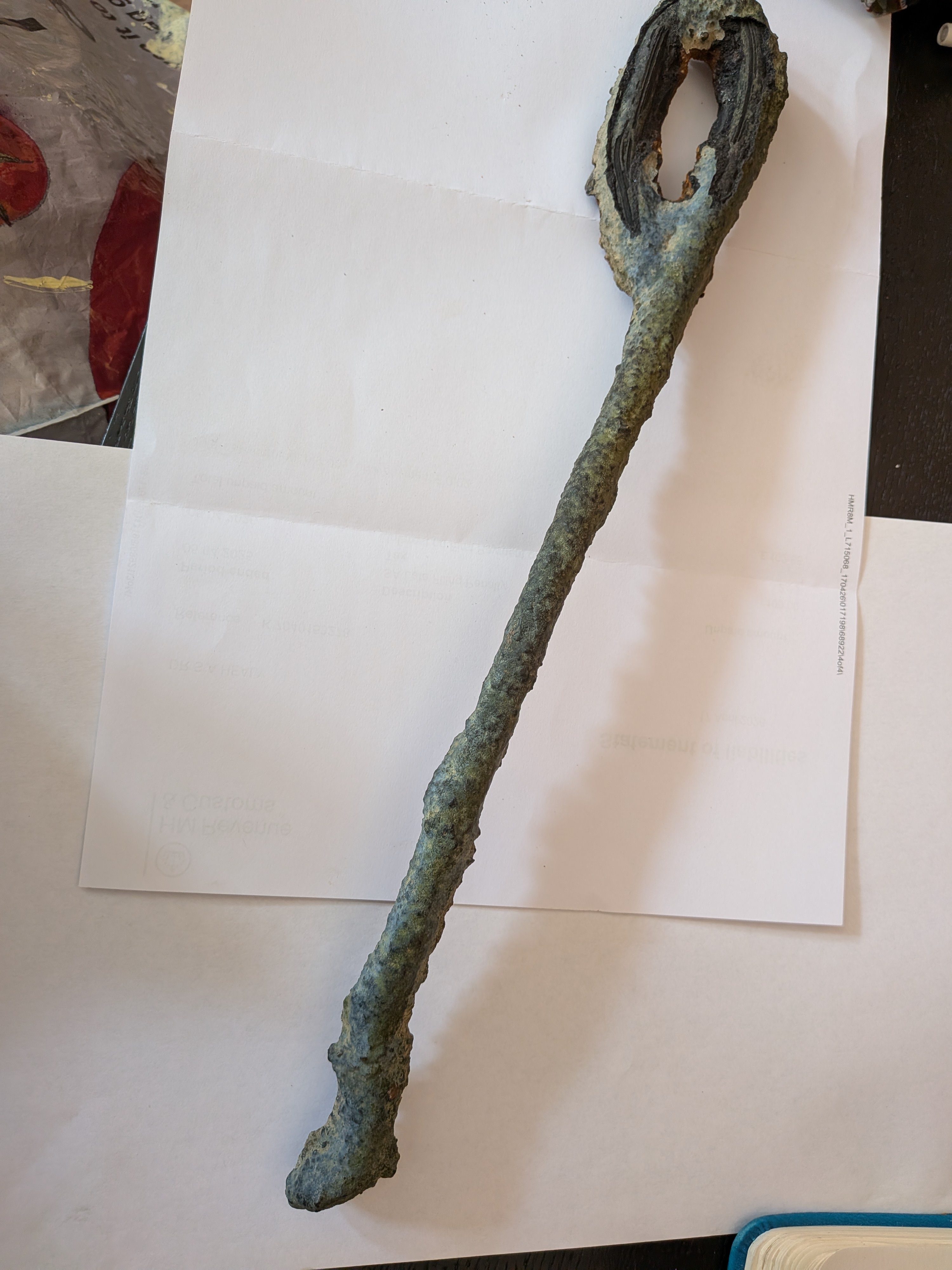
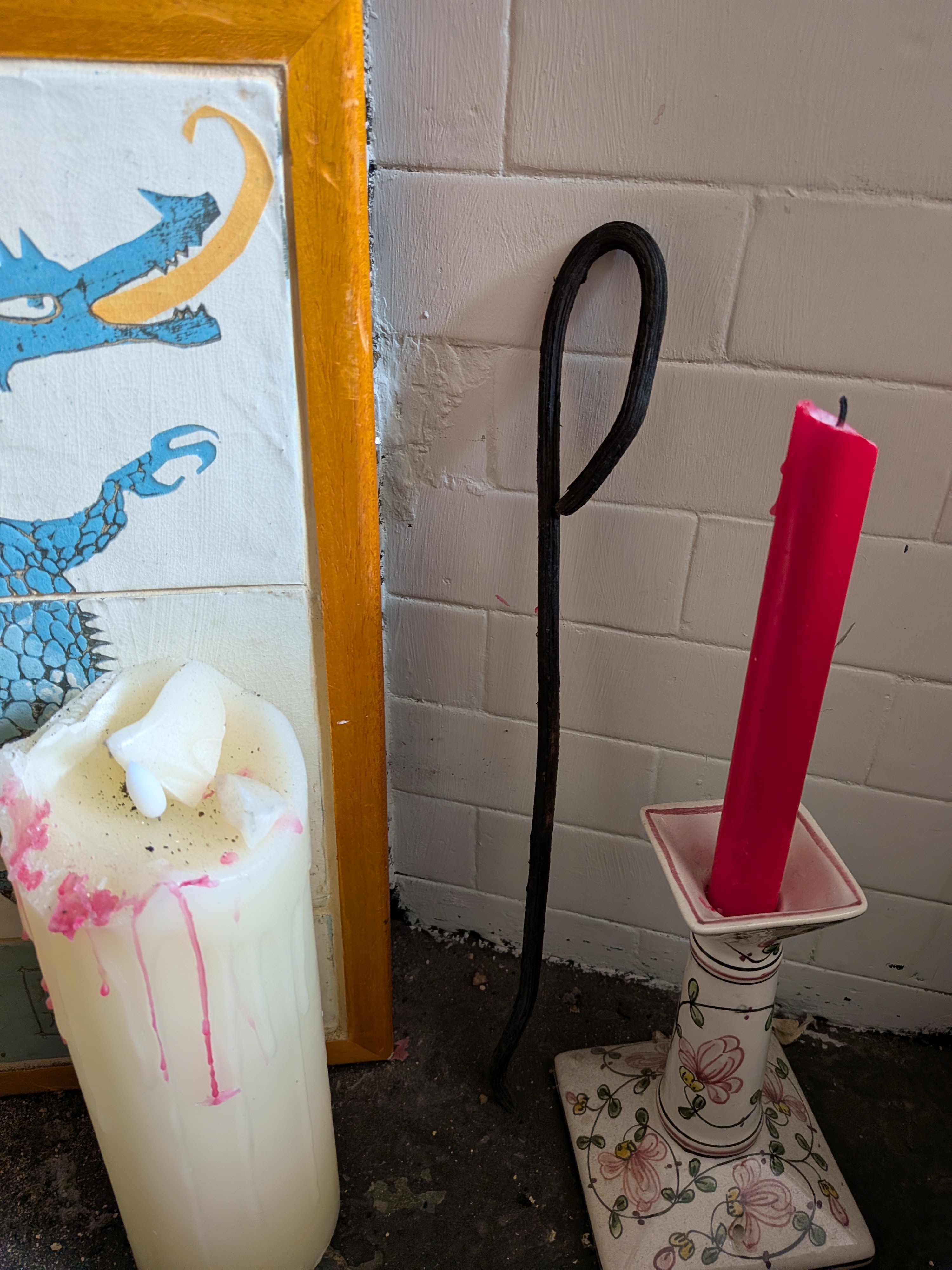
The next most interesting piece is what I thought was an old poker or part of a Victorian railings perhaps. It’s clearly been in the river a long long time though. I cleaned it and it’s a Georgian mooring pin, hand forged. Not an antiquity, or of any value really, other than it’s a great example of working river hardware, and representative of the context in which it was found. It was likely used to moor a private boat belonging to one of the Georgian houses in the parade above the bank, the closest of which was built for a mistress of the king. I wonder what pulled it from its root, what storm or getaway? Therein lies a story.
It’s going to my fireplace, a fake poker for a fake fire (good that it’s a non-working fireplace coz, for now, my unspent nazi bullet is atop the mantlepiece). Not bad for my first haul.Then an assortment of the usual, 17th century pipe stems (broken) and various medieval nails, and broken glass and pottery. So many stories.
Do you ever dream about being in a house that isn’t yours? I do, and often. The one that returns most, and has for decades, is set in a large, empty apartment where I’m completely alone. It’s full of shadowy corners and strange, Escher-like staircases and lifts that lead nowhere or arrive at unexpected floors.
Last night, in that unfamiliar space, I painted the walls. I chose bold colours, added artwork, layered in luxurious details. I made it mine. When I woke up, I felt quite smug, before remembering it hadn’t been real.
But also remembering that it kinda is. I am living my dream.
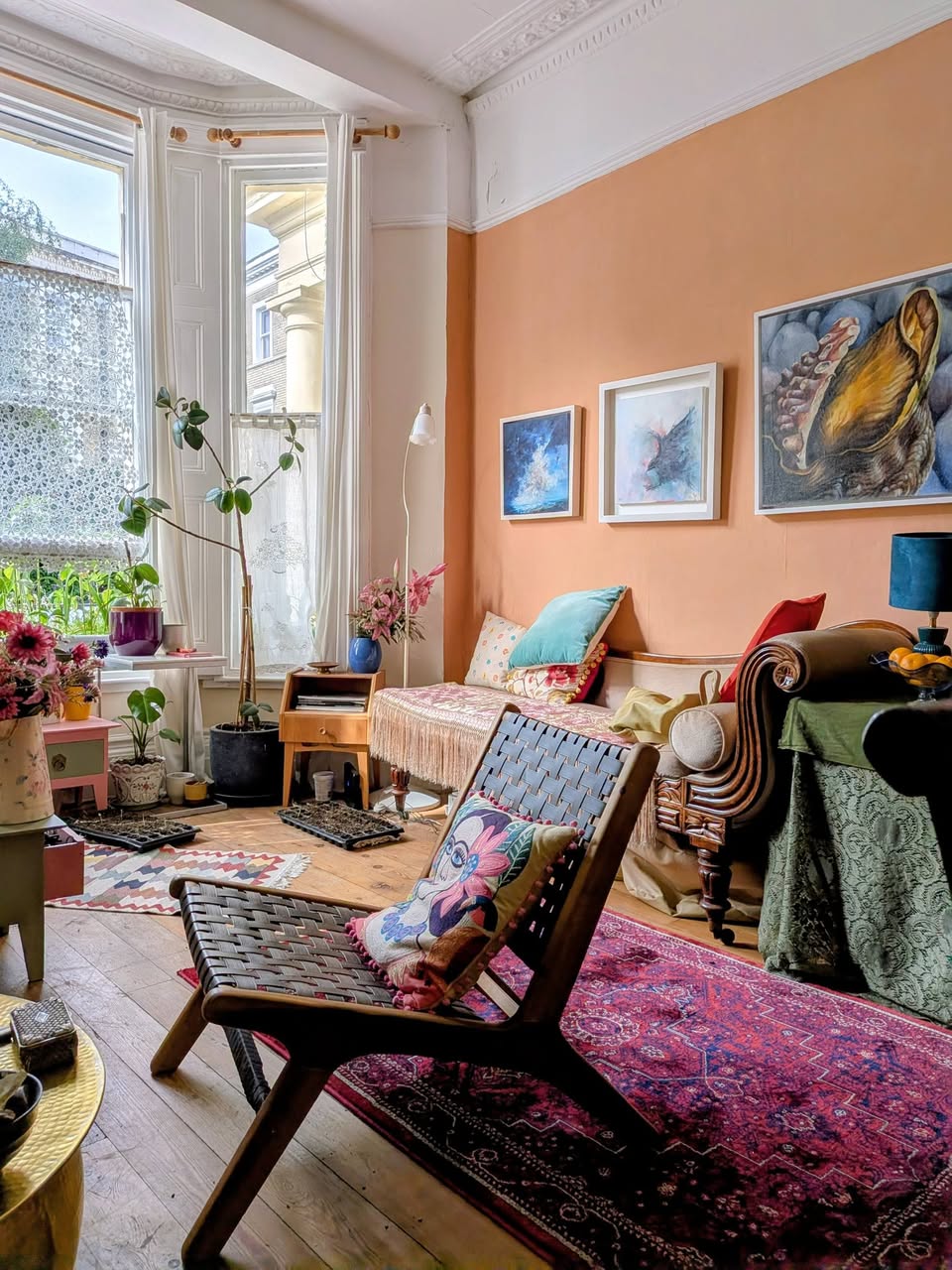
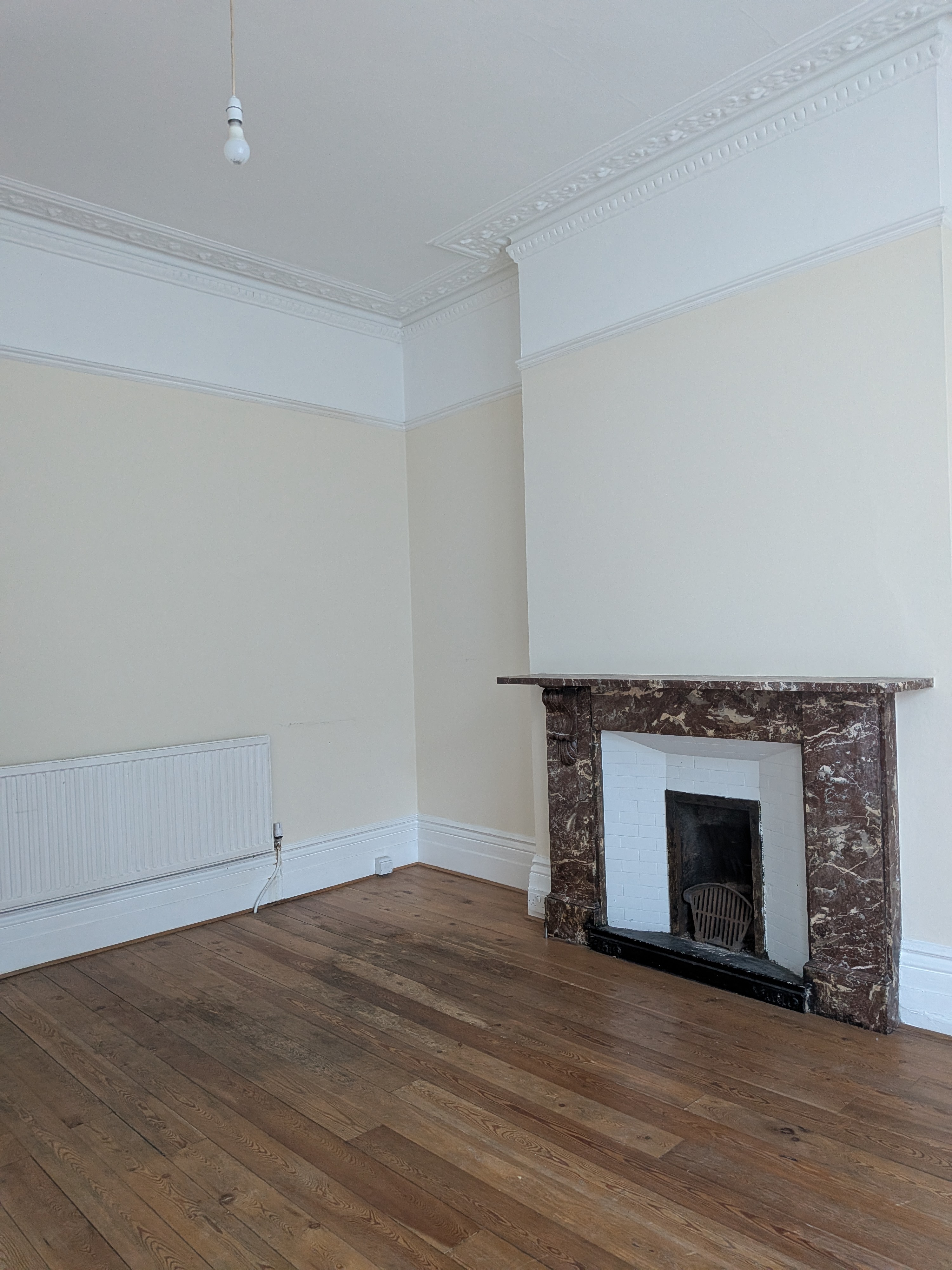
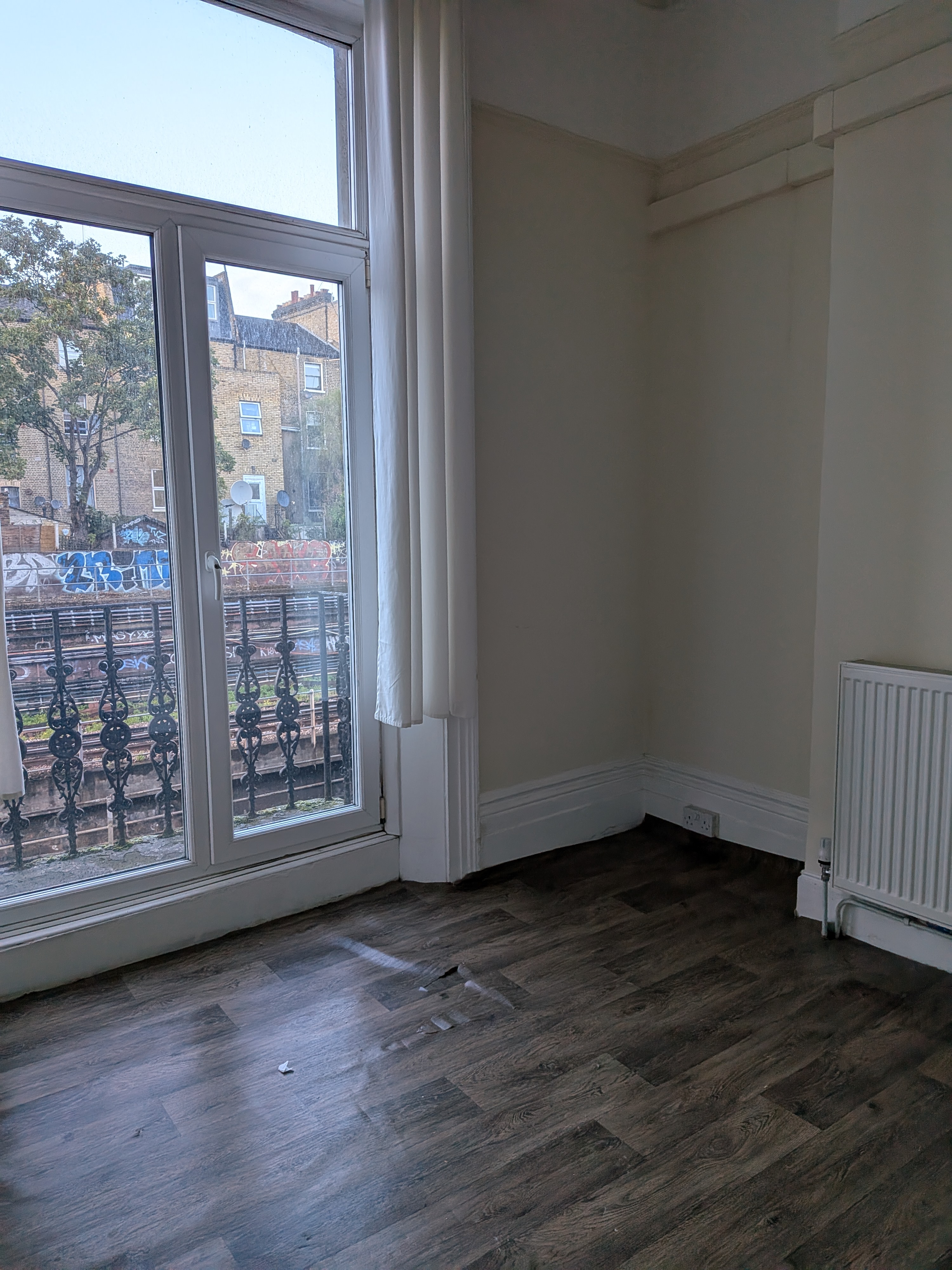
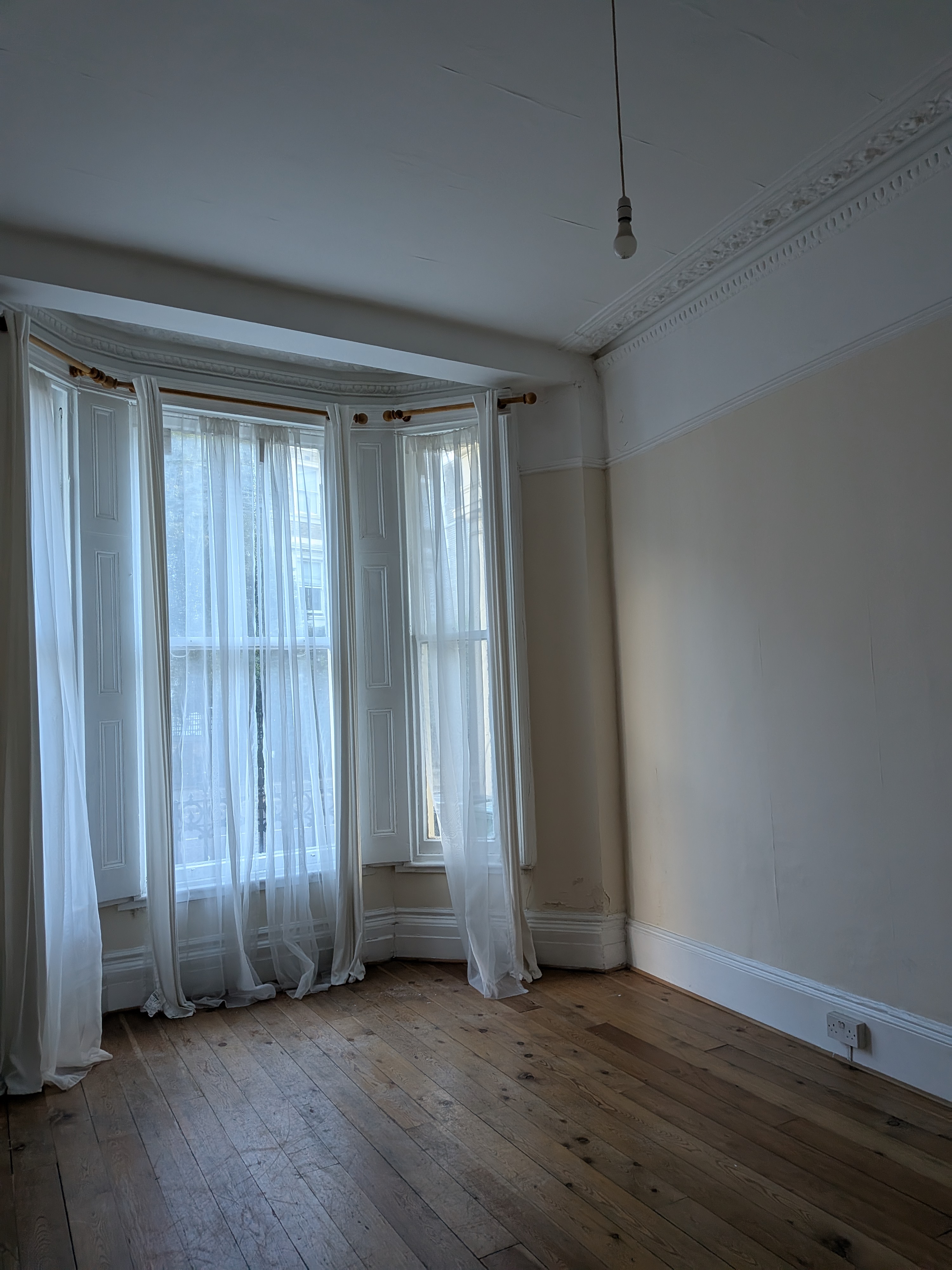
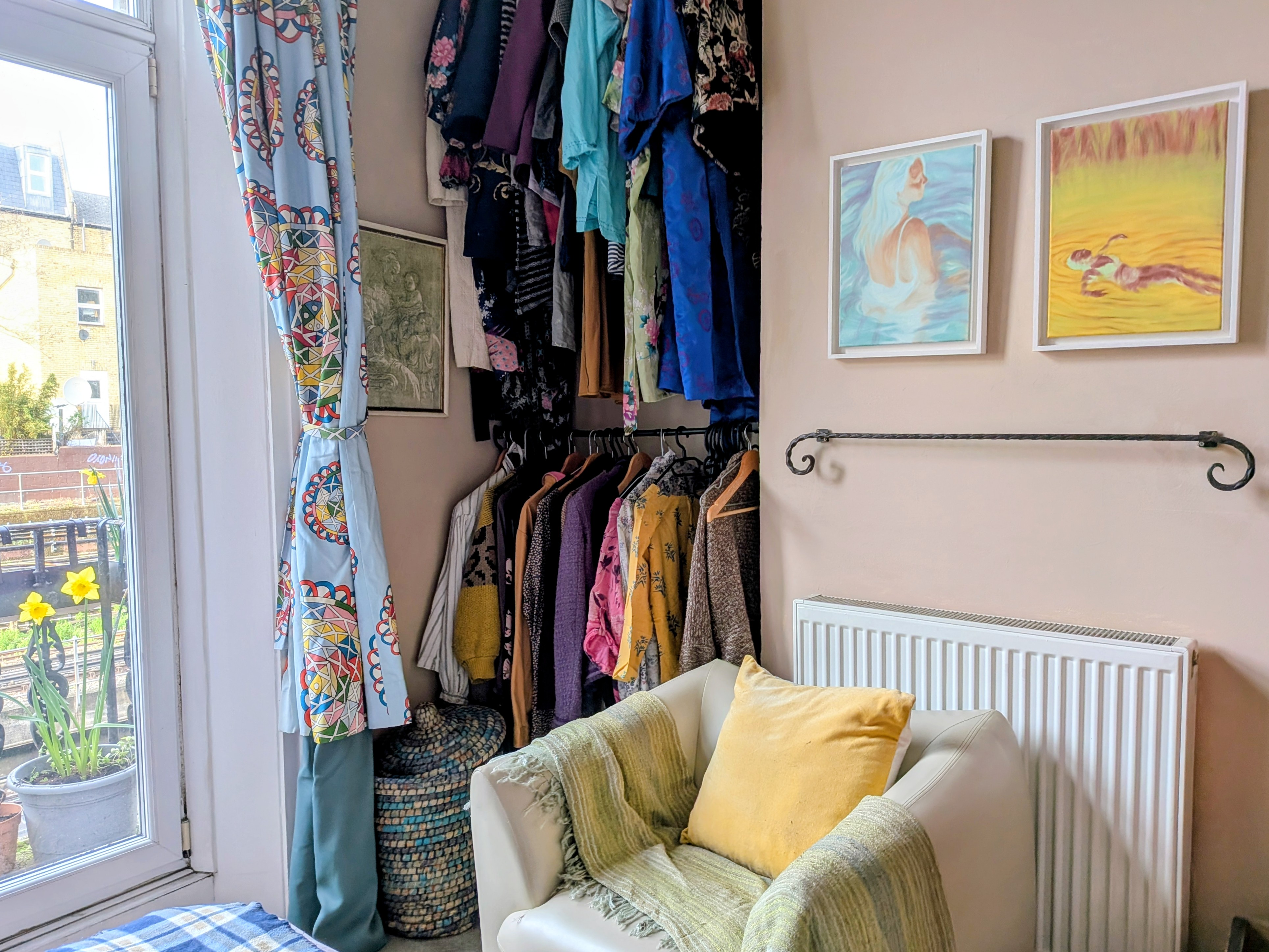
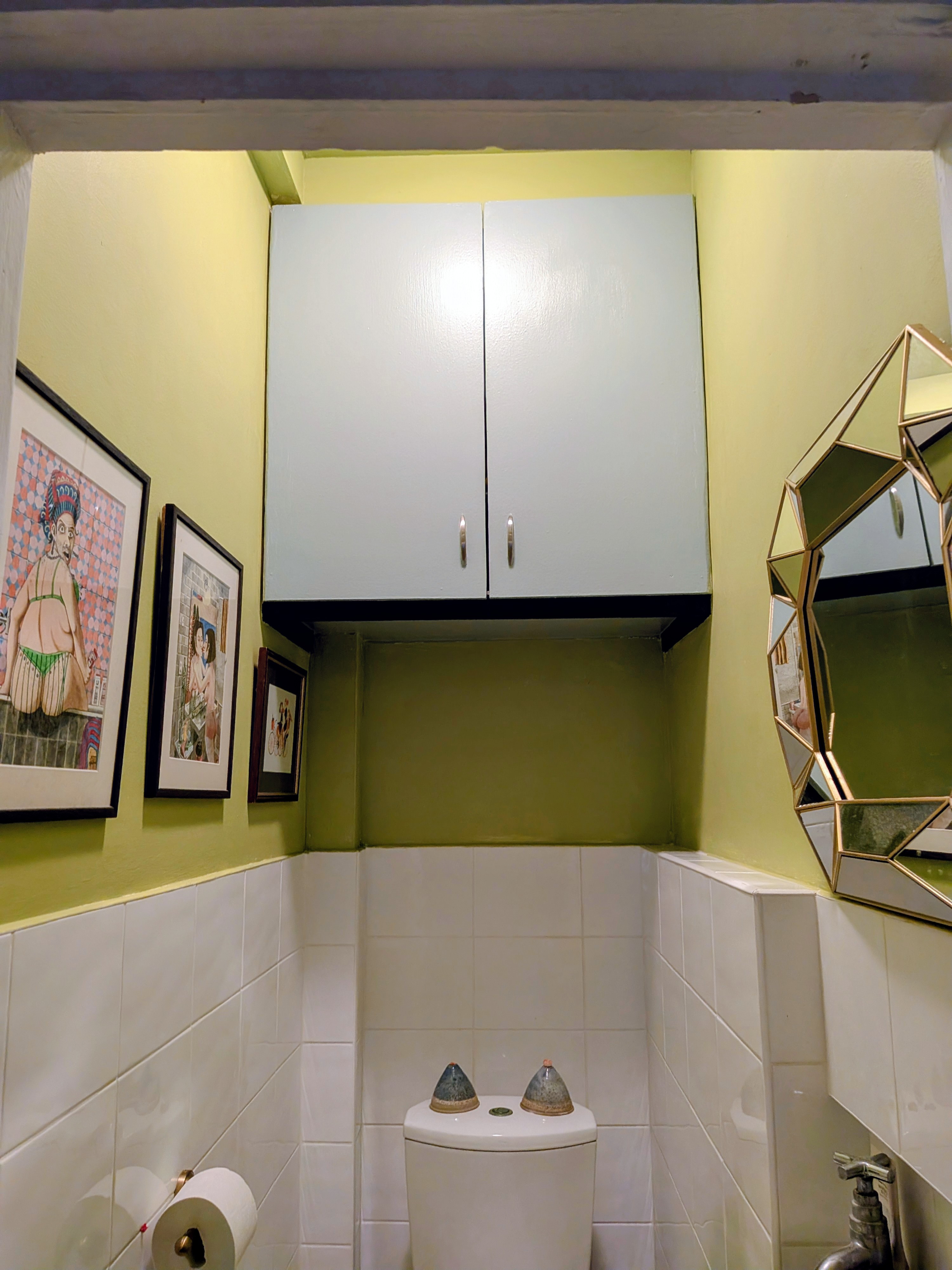
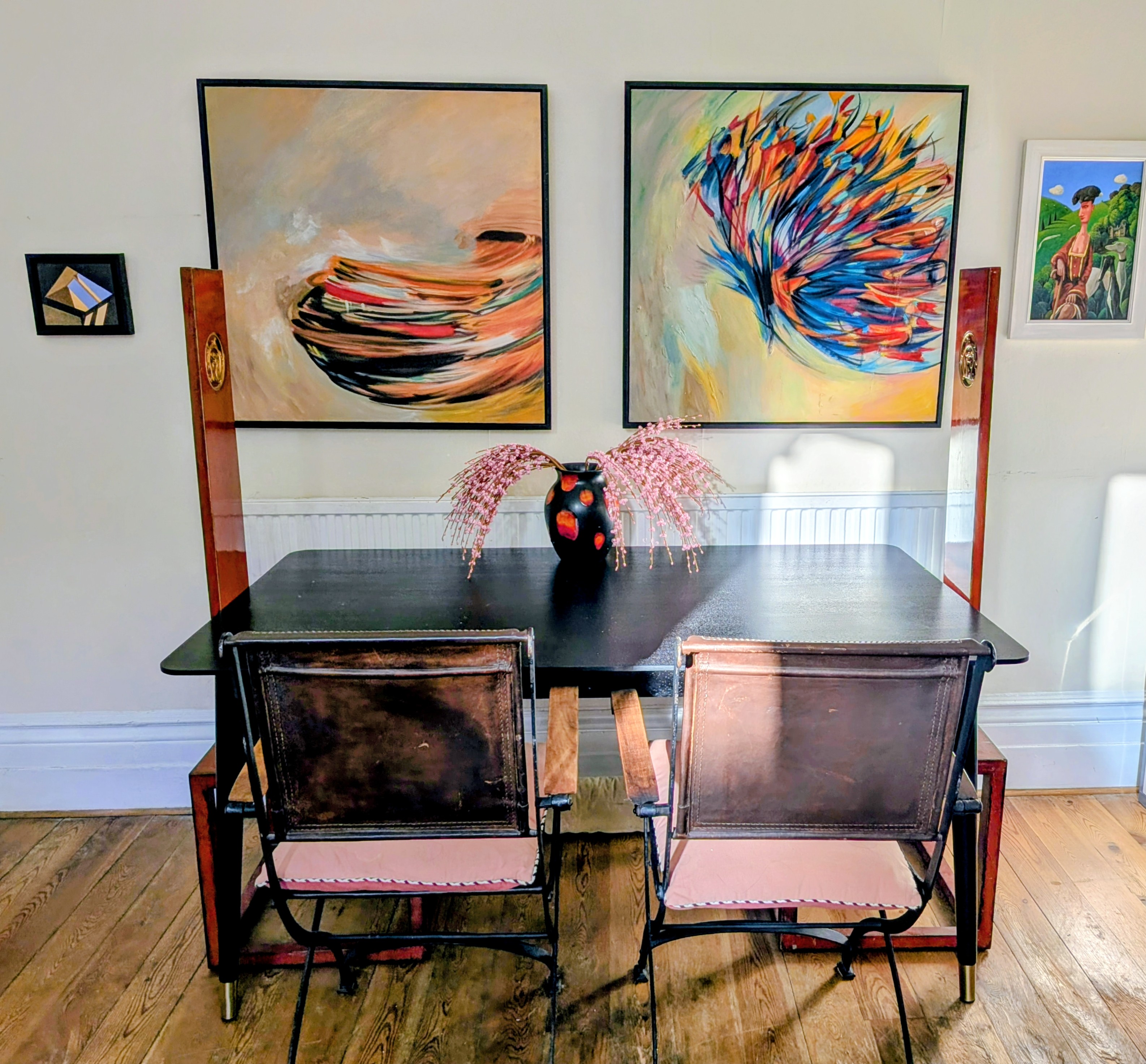
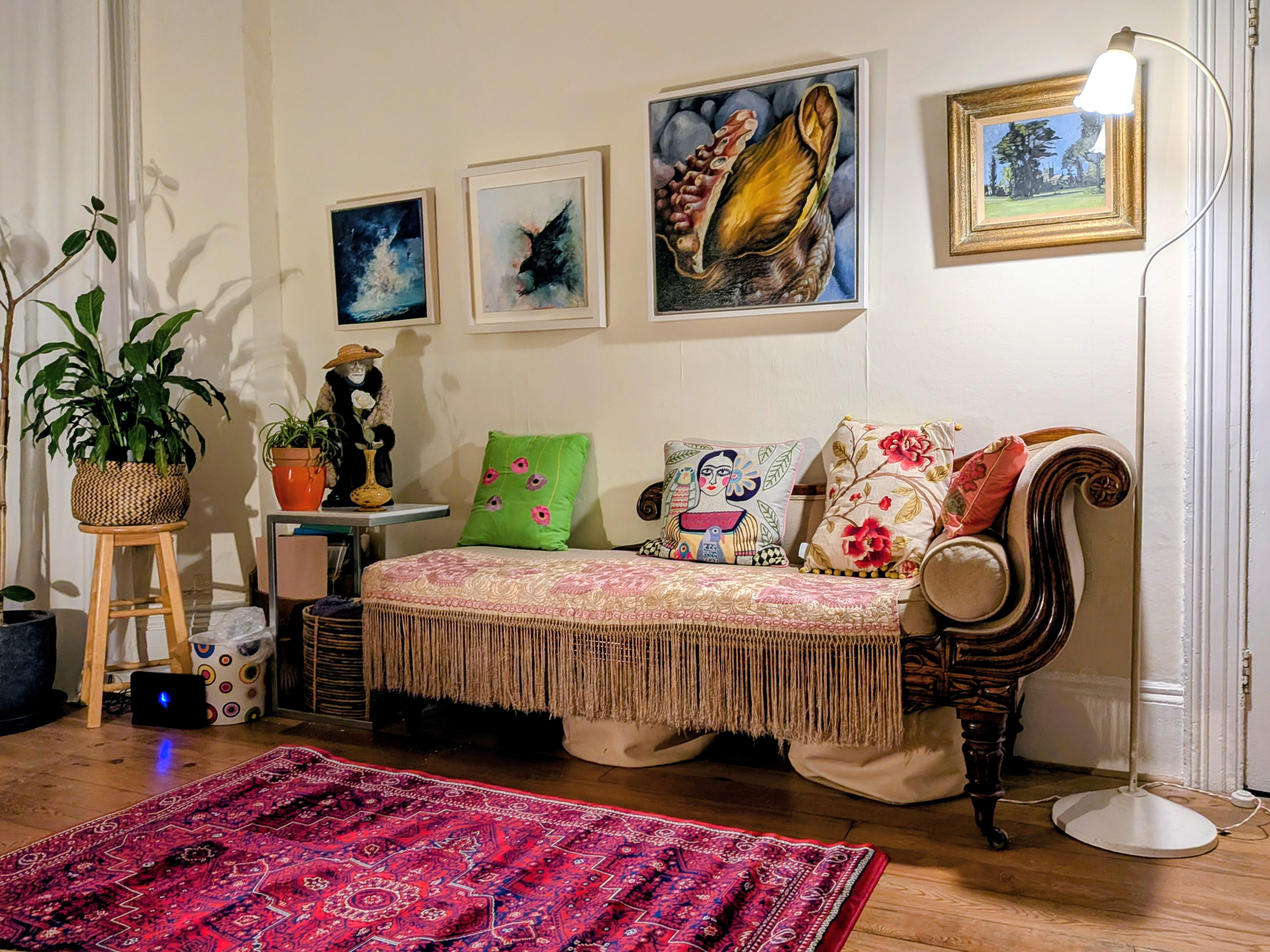
That dream, you see, is closely tied to my waking life now. Last autumn I bought a slightly neglected one-bedroom flat in Baron’s Court, a lovely part of West London/ North Fulham, and I’ve been slowly handing it back its mojo (and saving it from the ignominy of renters magnolia and lino). It’s a blank canvas for me, somewhere I can pour all my creative energy. I don’t have much money, so the work happens gradually, piece by piece—but it’s becoming mine, and the satisfaction of that is immense. I feel I want to exhibit it.
That same creative momentum has begun to spill into other parts of my life too—my writing, my painting, even the way I organise my days.
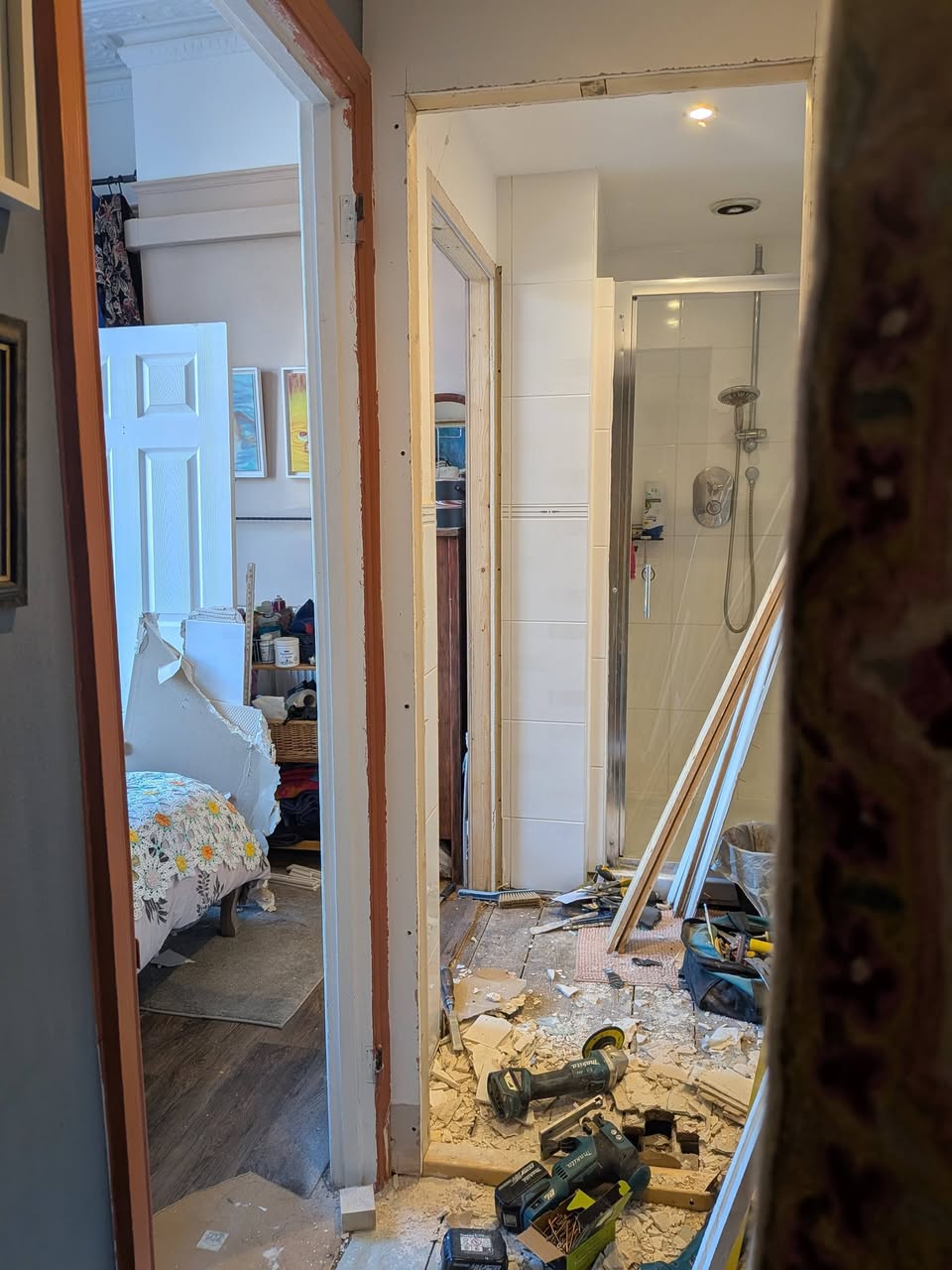
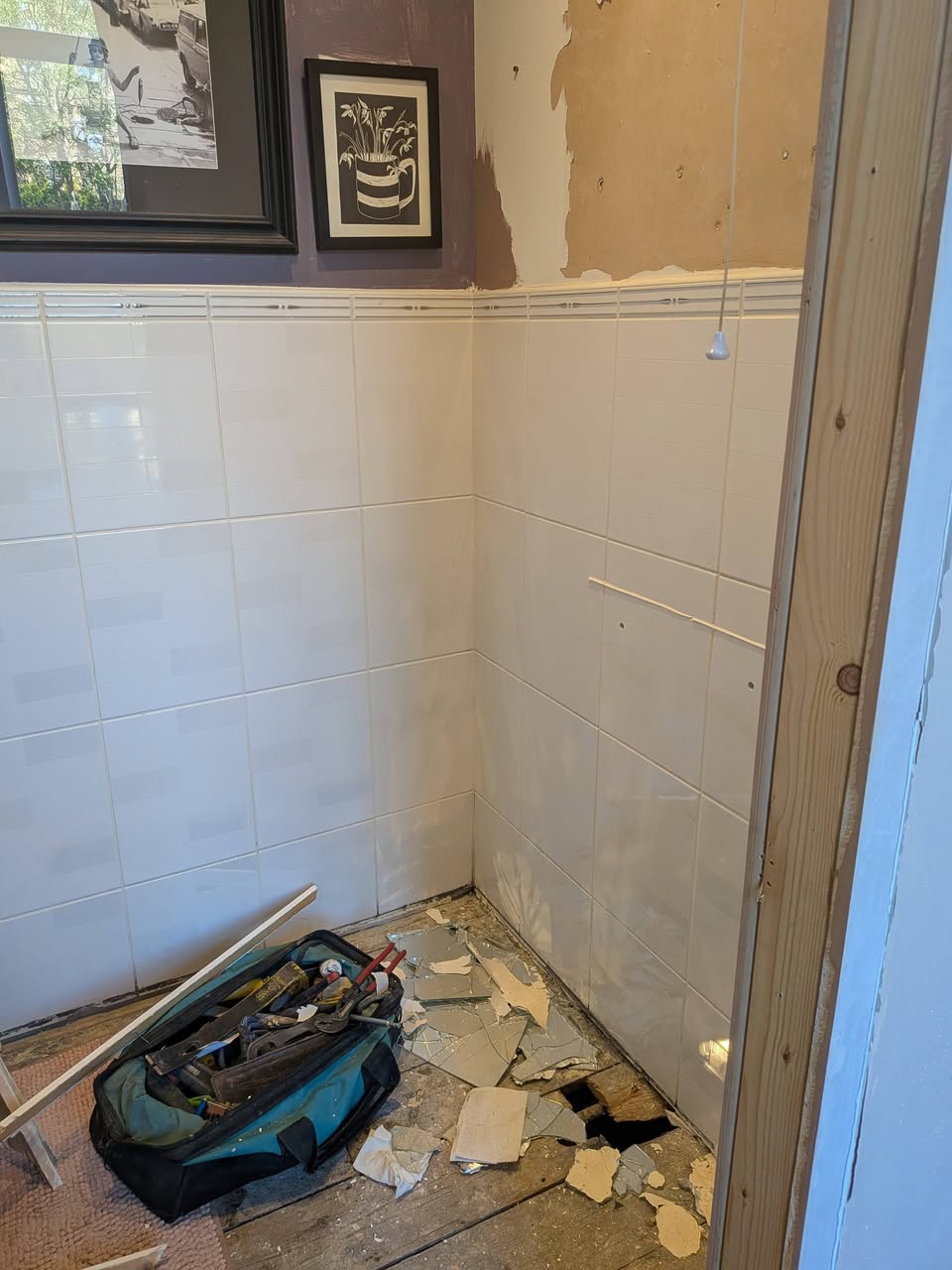
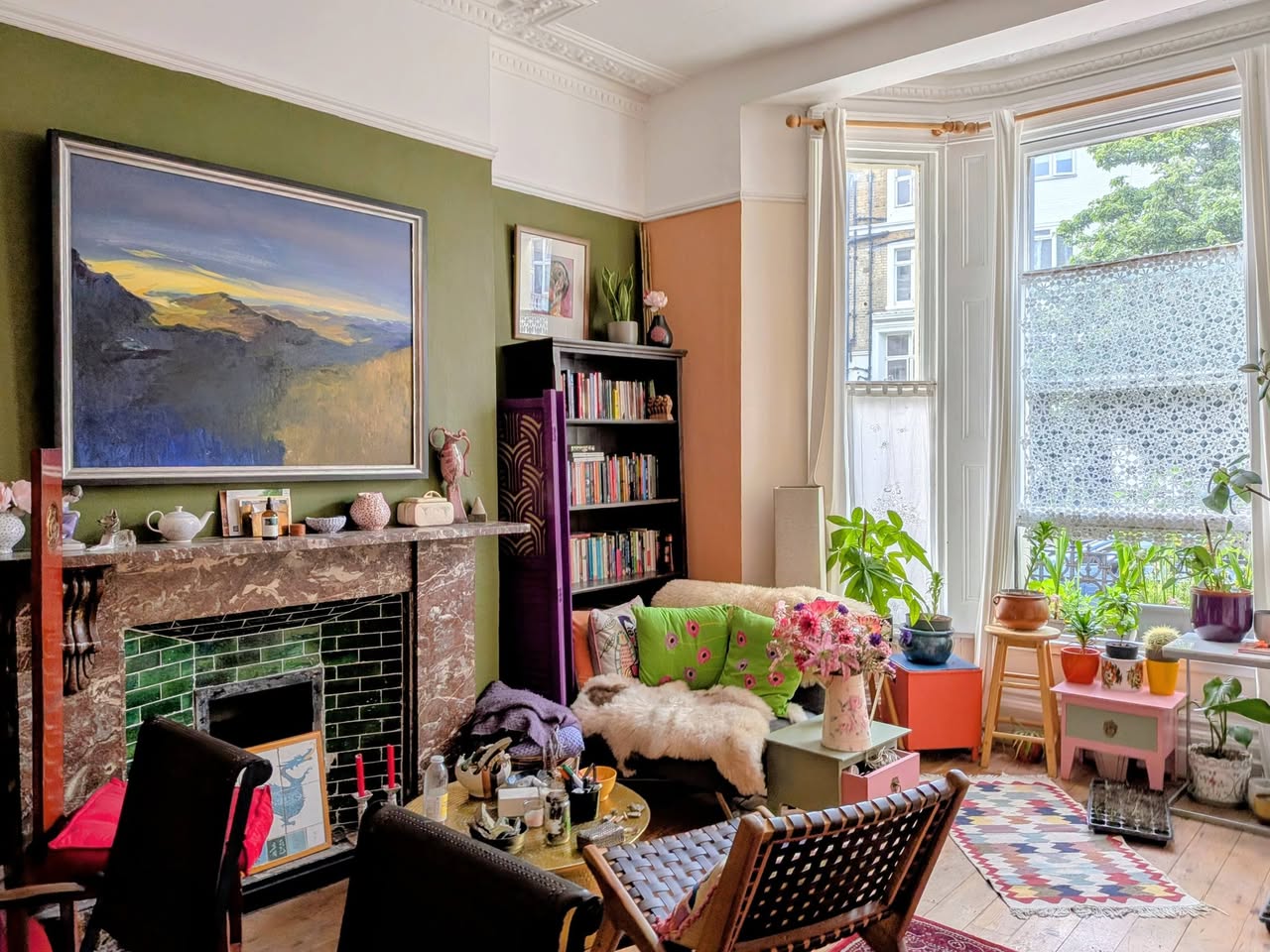
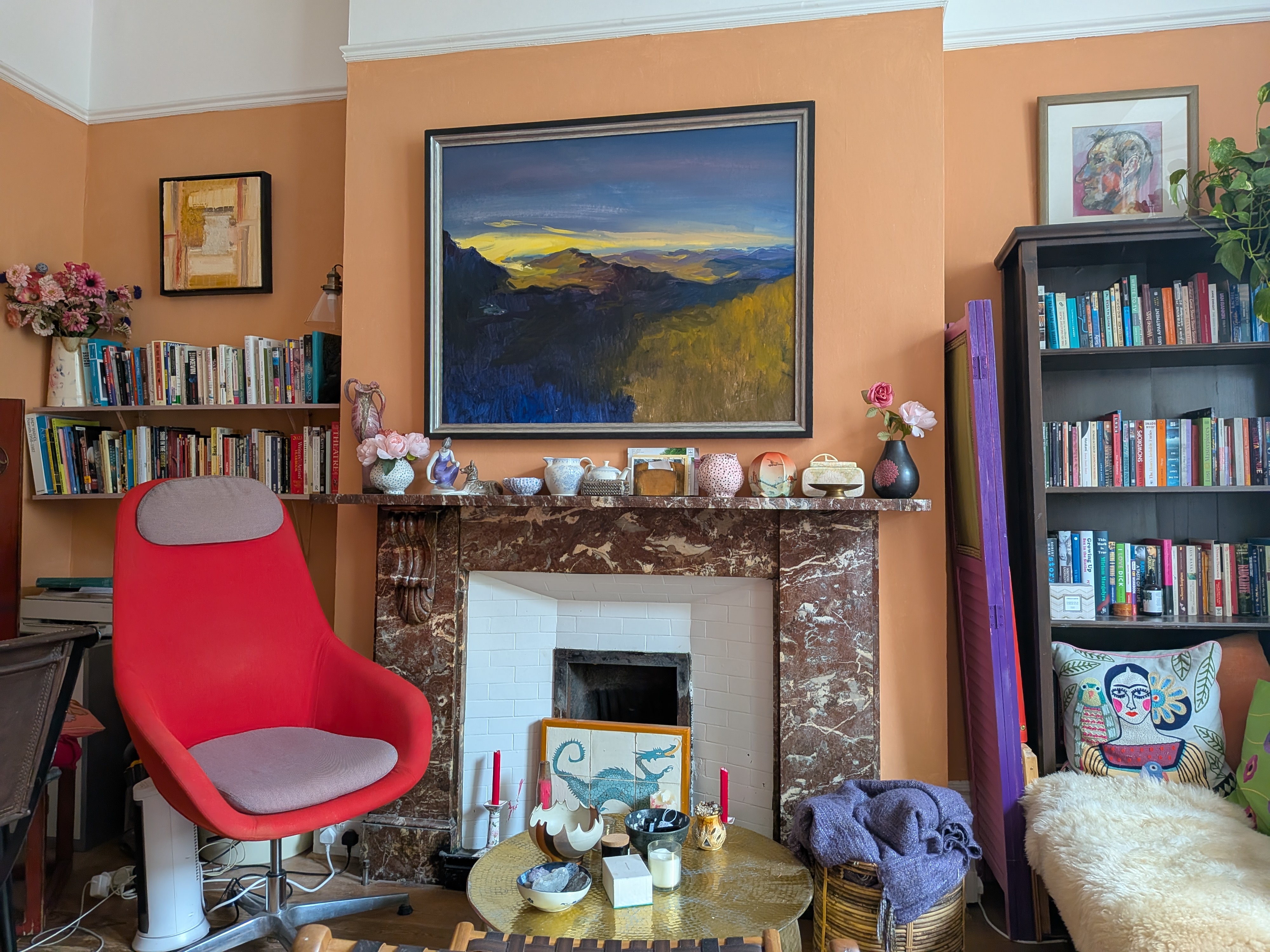
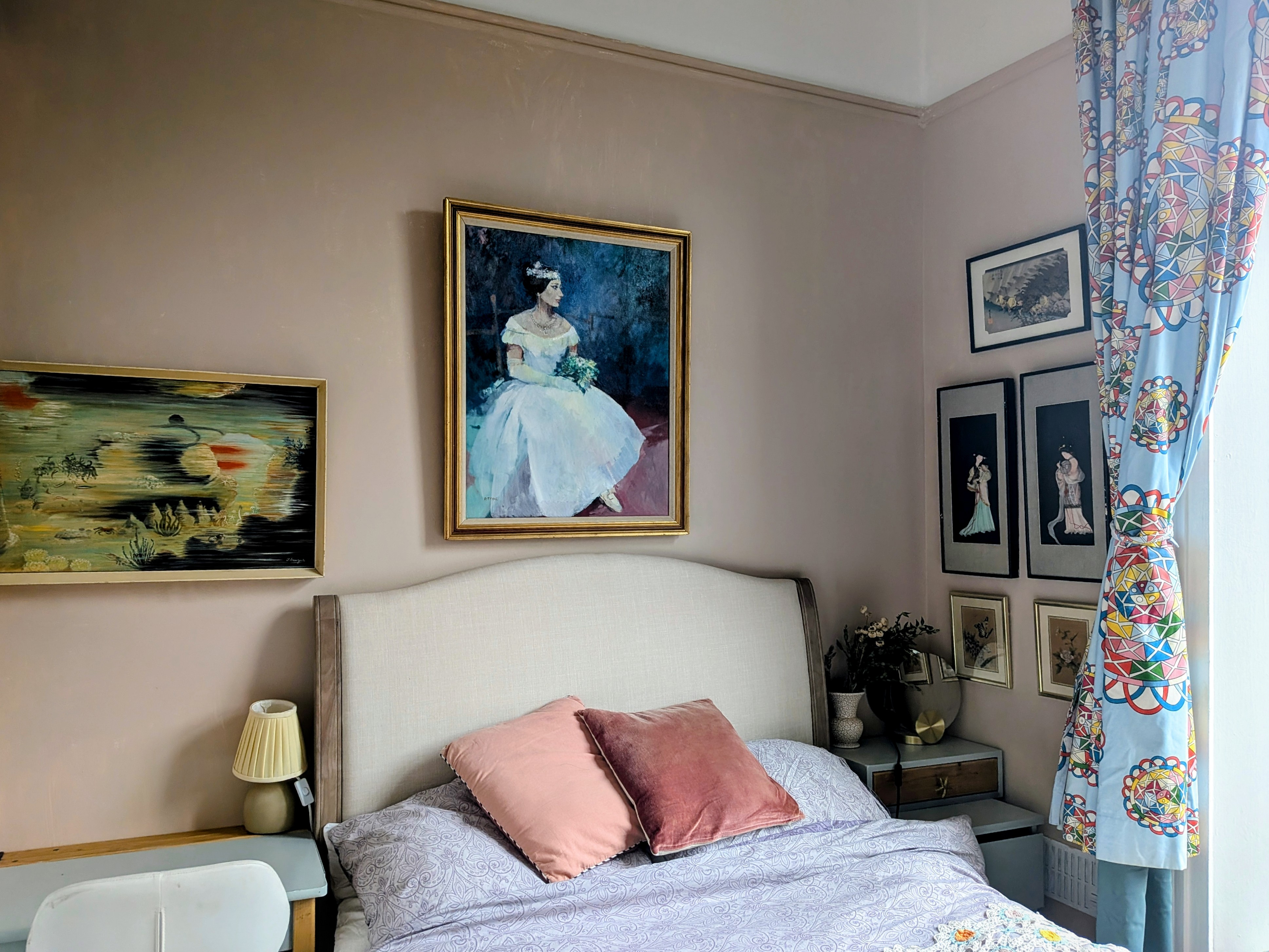
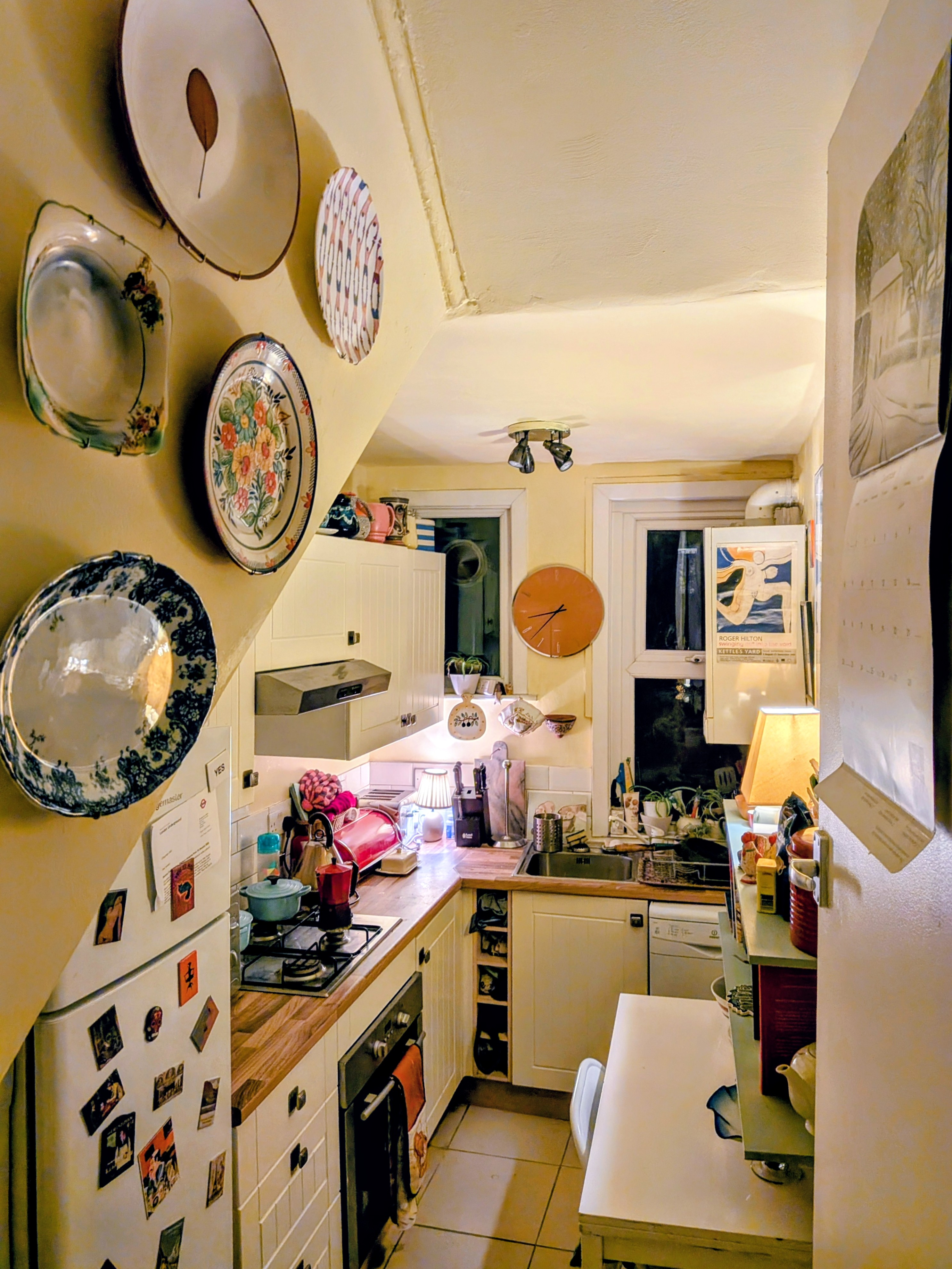
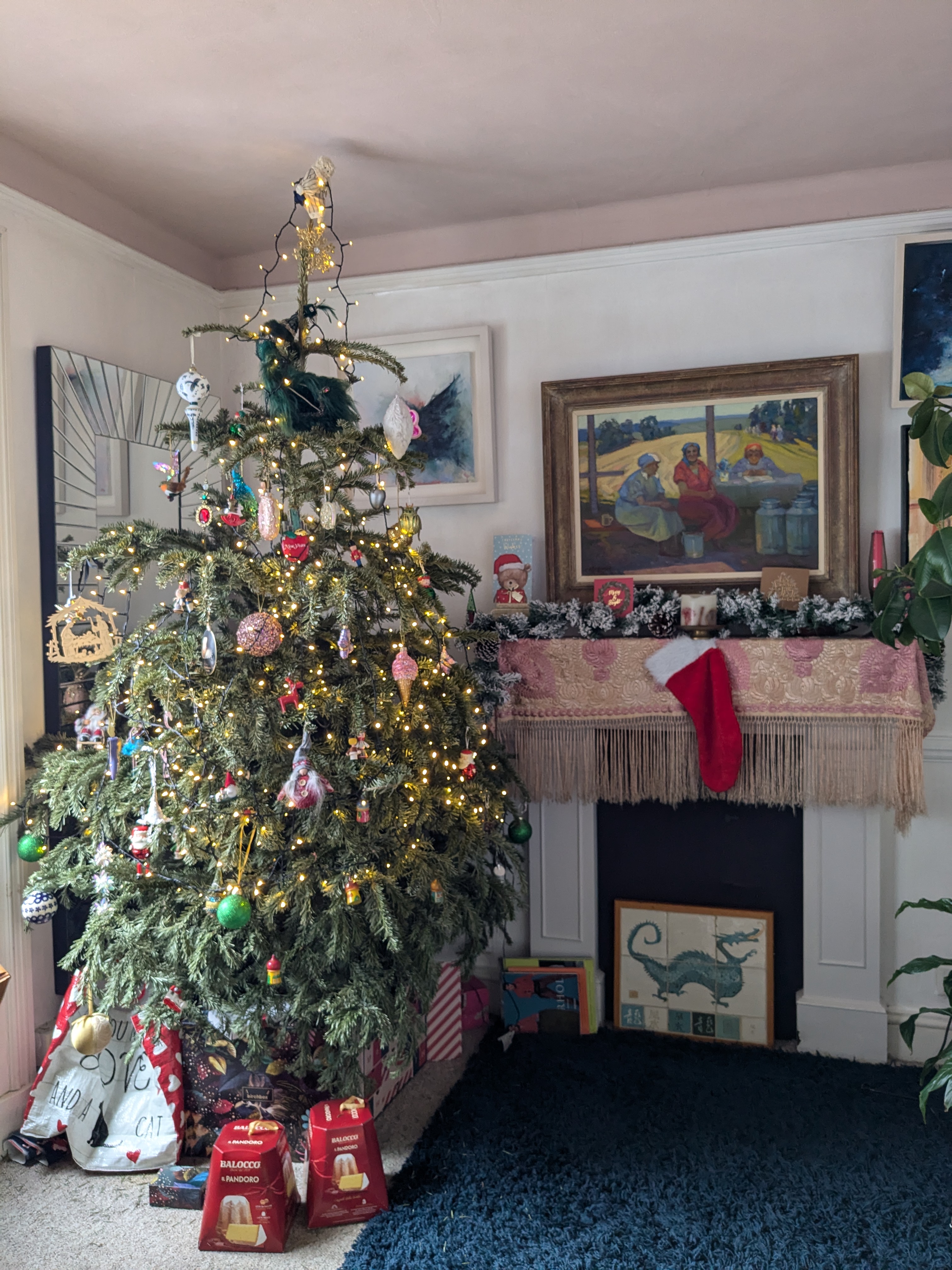
So here are some Before pics and some, if not quite After pics, some ‘getting there’ images.
BEFORE
AND NOW the Getting Theres:
There’s still a great amount of work to do, and I have workmen coming over the next few months to deal with that which baffles me – plumbing, tiling, electrical stuff and carpentry, but the vibe is nailed down now.
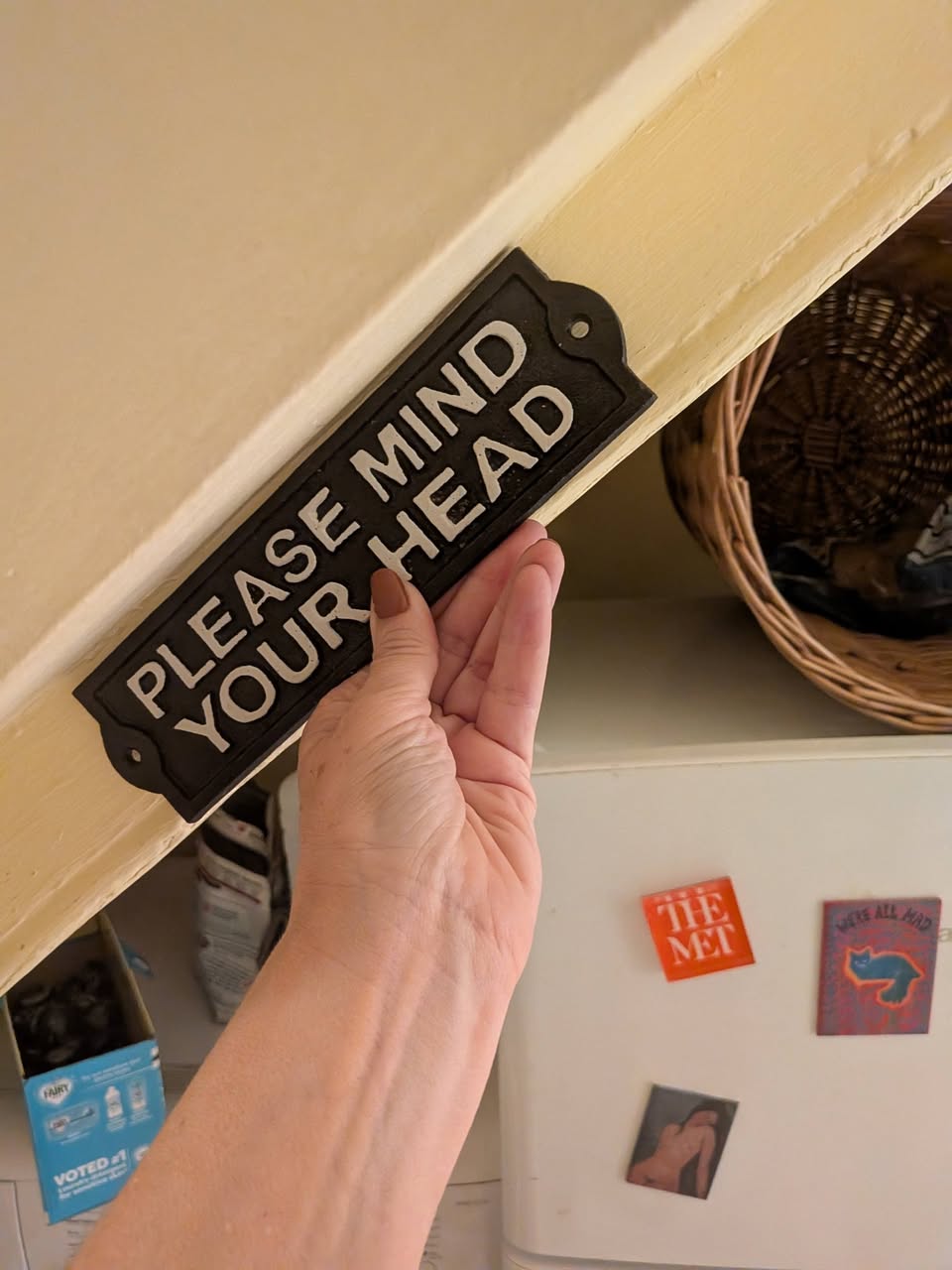
Don’t mind the mess…
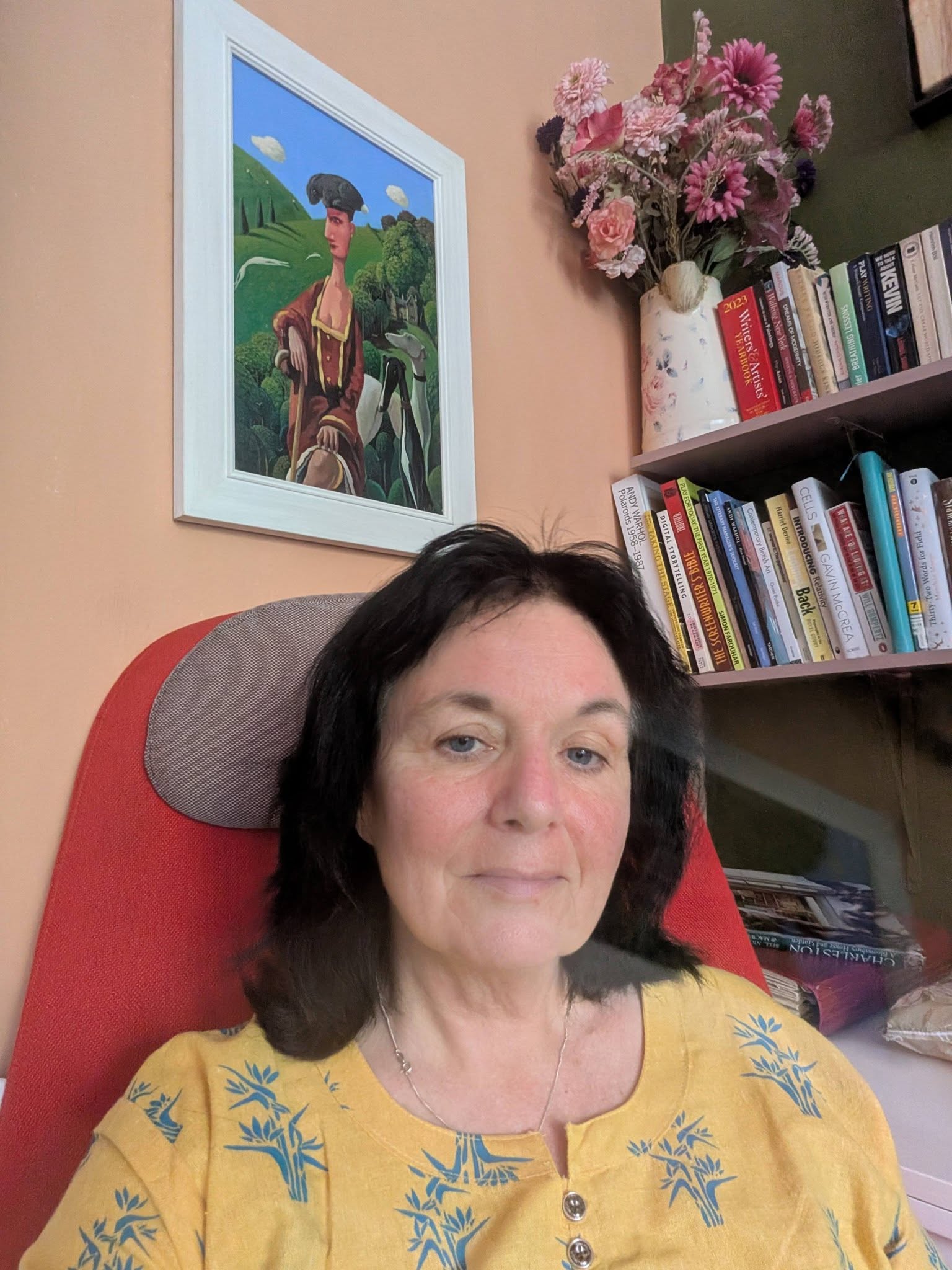
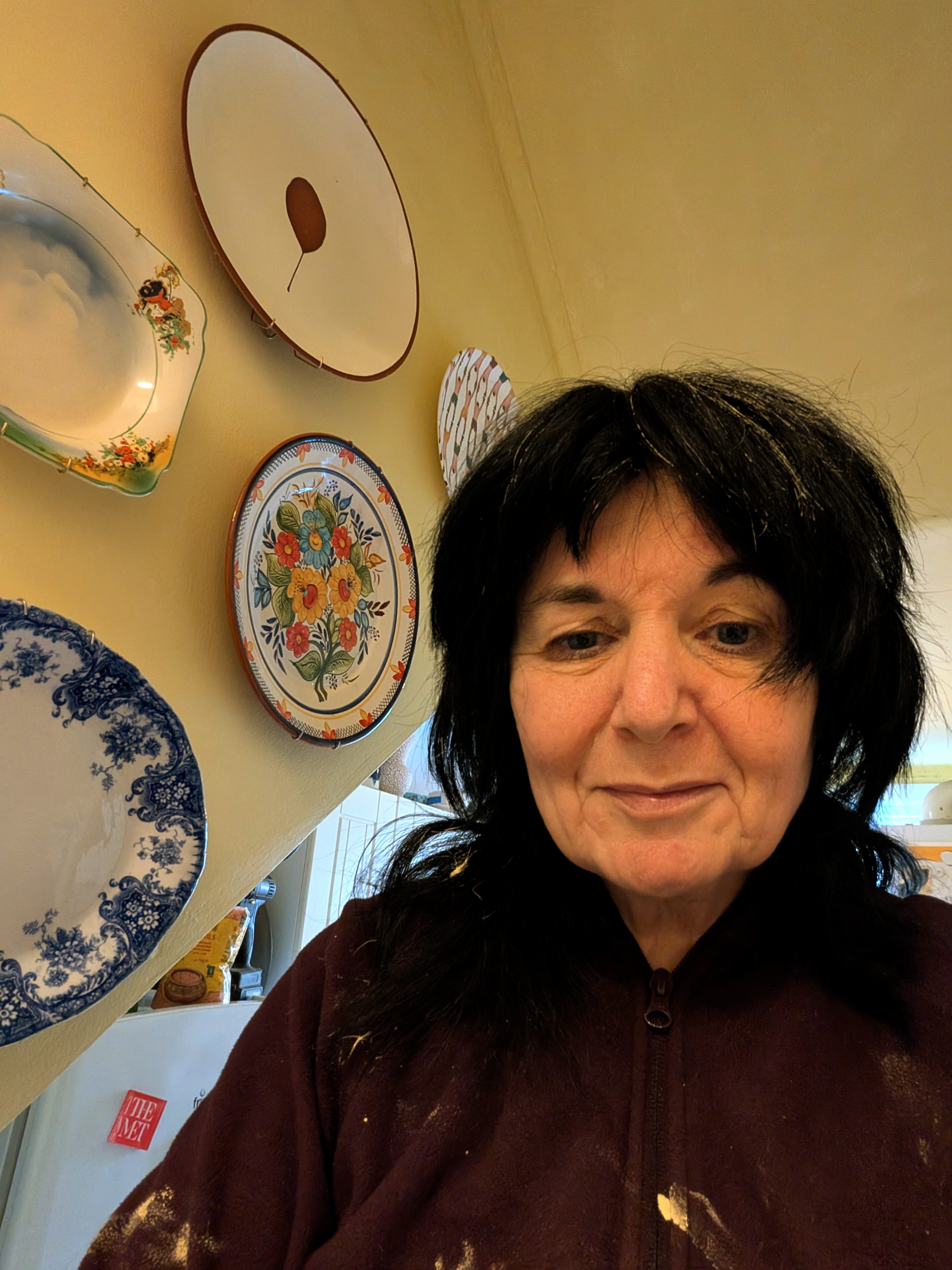
Painting my kitchen yellow, ceiling and all (and me, apparently).
So, expect more of these as i go on this renovation journey. I might even do a video!
I’ve blogged previously about how writers need to look to other art forms for inspiration. There’s nothing like it for creative energy, for ideas, for theme. The work of Liz Sutherland, a painter from North London whose studio I visited this weekend as part of the Wood Green Open Studios event, evokes an amorphous yet intense feeling linked to memory and its legacies. Her landscapes impress with a varied approach to paint application—sometimes slathered, sometimes dappled, or splashed—suggesting a focus on layers: of paint, time, lingering, palimpsestic images.
Both her landscapes and figurative works in oil display a buttery quality— which itself is smooth, yet elusive and an apt metaphor for the theme. The work is rich in emotion, blurred but familiar, much like memory. Greatly inspired by the sea, Sutherland explores the relationship between the coastline and the water—how they shape one another through layers of rock, wave, and water. Her depictions of Scotland’s empty yet beautiful beaches feel as warm and beguiling, and perhaps as misleading, as childhood memories.
Movement is a strong presence on these canvases. Sutherland’s figures are undefined— whether trudging, looming, balancing, or flying through memory and space. They seem like remnants of energy moving through landscapes, allowing the viewer to see both the present motion and peer back through time. Angles are strange and jarring. Dancers leap and twirl fantastically through the V&A. The sea pulls and thrashes onto the beach. Figures float, loom, recede, and hulk, all creating a dreamlike atmosphere that feels tied to childhood memories of the cold yet exotic Scottish coast. Sutherland’s ability to convey movement is remarkable.
Her work hints at the thrill of discovering new places, often tinged with a sense of discomfort. Her palette and occasional use of an iPad show clear influences of Hockney, while her bright Fauvist colours and carved figures perhaps nod to Gauguin, suggesting the uneasy legacy of colonisation, and as with Gauguin, there’s hidden black and murk present too.
As a committed cold-water swimmer, Sutherland’s connection to water even extends into her cityscapes. Her palette captures all shades of water—from cold blue-grey to near Caribbean greens and blues. Elsewhere, her colours are nebulous—luminous greens, pinks, and blues—creating otherworldly landscapes. At times, her works seem as though they might glow in the dark, adding a strange, haunting quality. Like memory, they are alien yet familiar. I loved this show.
I am very pleased and excited to announce that Prof. Harriet Devine and I are writing a book on the Royal Court Theatre, to be published by Methuen in 2026, marking the Court’s 70th anniversary. We’re enormously excited about this highly inclusive project. This study will be an appraisal of the theatre’s seven-decade journey from 1956 to today. We are assessing what this remarkable stage company has provided for theatre, nationally and internationally and in doing so, we measure the extent to which this institution has impacted today’s society, and we consider its present and future role. As an honest and thorough study, it will also platform voices critical of the Court and those who felt occluded or excluded or ignored in previous accounts of the Court’s history, and consider how and to what extent this aspect is changing. Will keep you all posted!
Delighted to say I’m now a Senior Lecturer and Programme Leader at the University of Lincoln. Yay, send the balloons up! (Spotted in Budapest’s City Park yesterday).
I’m visiting Budapest, my second home where I spent a very significant 12 years bridging my 20s and 30s. I haven’t been back in 5 years (COVID and other reasons). So, returning now, I’m really struck by how it has changed. It’s a different city to the one I moved to not too long after the Berlin Wall had come down.
Taking stock of these changes prompts me to take inventory of my life, and examine future plans. And then, on cue, I’m notified that I’ve been promoted to Senior Lecturer at my University. Life is good. I’m grateful.
This Sunday (June 16th, Bloomsday, no less) I’m an interviewee for this BBC Radio 3 documentary programme, “A Most Queer House” – an address in Hammersmith that has strong associations with The Royal Court Theatre and with mid-century bohemian London in general. The house was most recently my late friend Donald Howarth’s home, and the property was previously owned by my friend Harriet Devine (also interviewed) and was where her renowned father, George Devine, set up the bones of The Royal Court. Tune in if you can!